With Each new day
  • Blog
  • About
  • Contact

What the Second Half of 2025 Looked Like on the Litter-Picking Front

1/22/2026

0 Comments

 
This post is the second half of my look back at litter picking in the UK during 2025, covering July through to December. If the first six months felt like setting a rhythm, the second half tested my patience. Summer brought more people outside—and more litter to match—while autumn and winter made it harder to keep going, even though the rubbish never really slowed down. There were moments of progress, but also plenty of repetition, frustration, and that familiar feeling of clearing the same spots again and again as the year wound to a close.
July
​
August
​

September
​

October
​

November
​

December
​

Despite the frustration, I’m not stopping. Litter picking can feel like a losing battle at times, but it’s still a practical way to do something tangible for the environment and for the wildlife that has no choice but to live alongside our mess. Every bag filled is one less hazard, one less injury waiting to happen, and one small push back against the carelessness of the litter louts. It may not fix the wider problem, but it’s my bit — and for now, that’s reason enough to keep going.

​And maybe, bit by bit, those small acts will add up to cleaner spaces, safer wildlife, and fewer excuses for leaving the mess behind.

0 Comments

From Streets to Green Spaces: Litter Picking in the North East, Jan–June 2025

1/19/2026

0 Comments

 
Litter is a persistent issue across the UK, and living in the North East of England, I see its impact firsthand in our streets, parks, and green spaces.
​
I have been a regular solo litter picker for several years now. Throughout 2025, I committed time to regular litter picking, mainly in my local area in Northumberland, using my phone to record what I collected, to build a clear picture of the scale and nature of the problem.

This blog is split into two six-month periods, each reflecting on the volume, types, and trends of litter found. By sharing this journey, my aim is not only to document the reality of littering, but to show that individual action matters — and that small, consistent efforts can help protect the places we all share.
January 
February
March
April
May
June
0 Comments

Summer sojourn to Sissinghurst

12/23/2019

1 Comment

 
Reminded by a friend that I had not posted for some time I thought I would revisit some of my summer travels and days out.
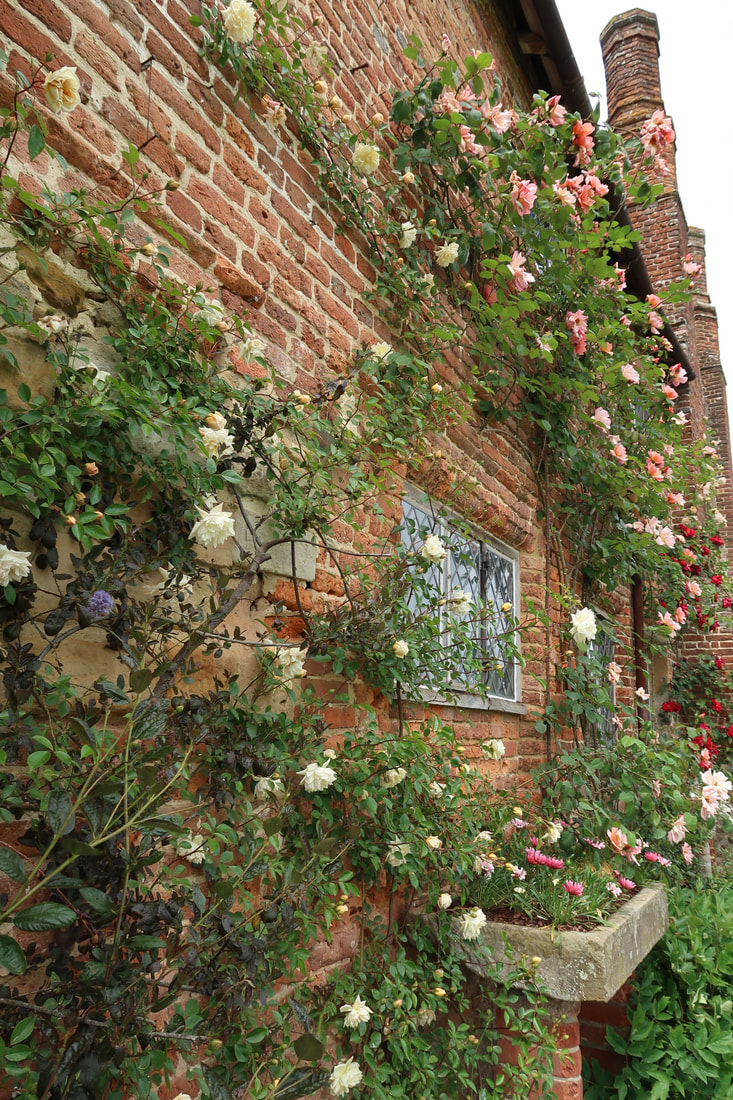
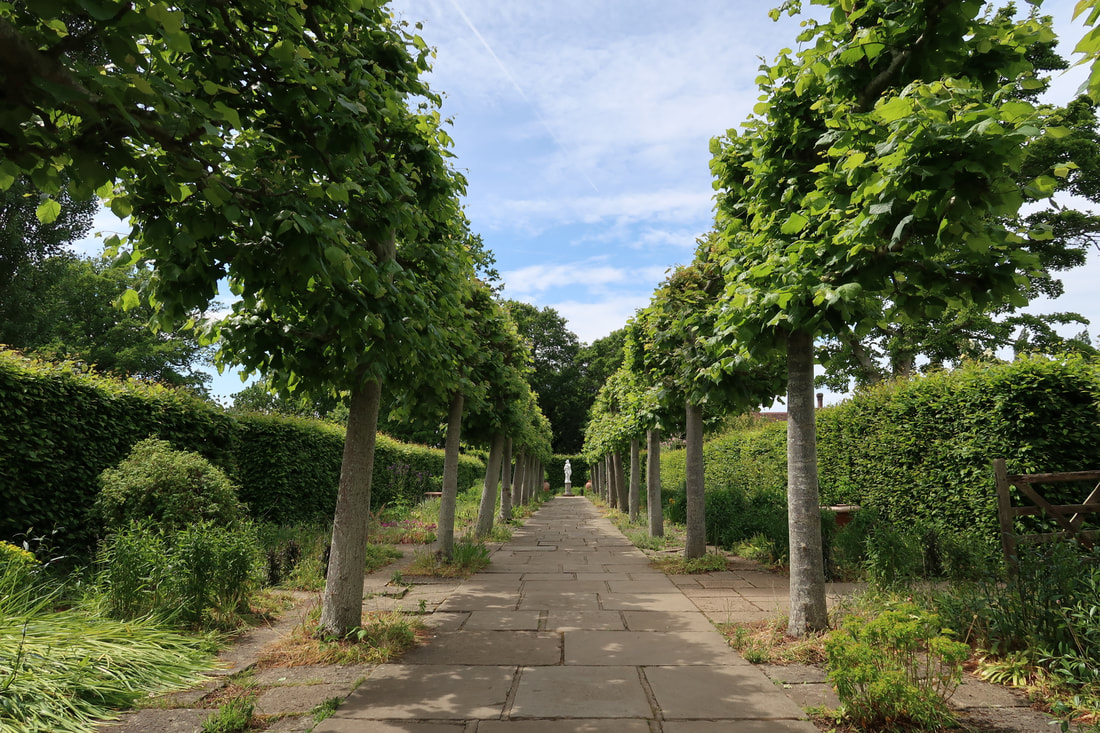
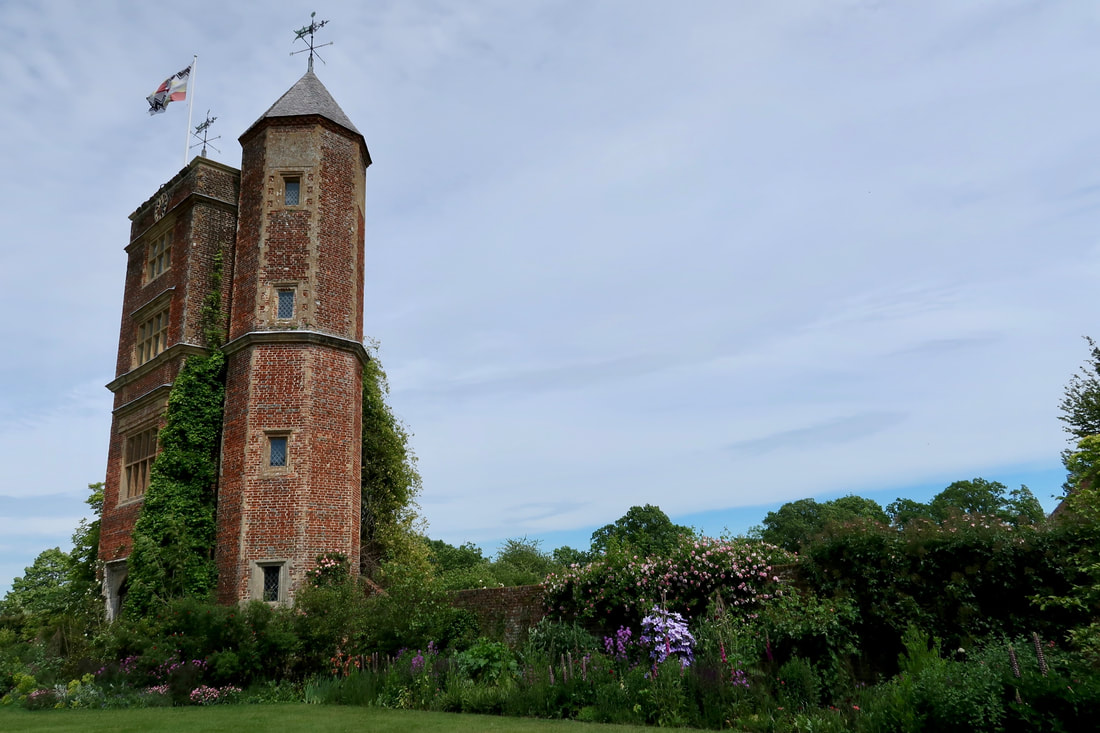
One of my favourite places to visit is Sissinghurst Castle Garden in the Weald of Kent. It is a place I have visited many times and in each of the seasons as they each offer something different visually in the gardens. My last visit was in June.
Picture
Sissinghurst was the home of Vita Sackville-West and her husband Harold Nicolson. They spent 30 years transforming the former farmstead to one of the world's most famous gardens. It was gifted to the National Trust in 1962.
The impressive brick, twin turreted tower of four storeys forms an entrance to the three sided courtyard.
A number of buildings make up the estate. These include the tower, the Priest's House, the West Range and the South Cottage. 
Picture


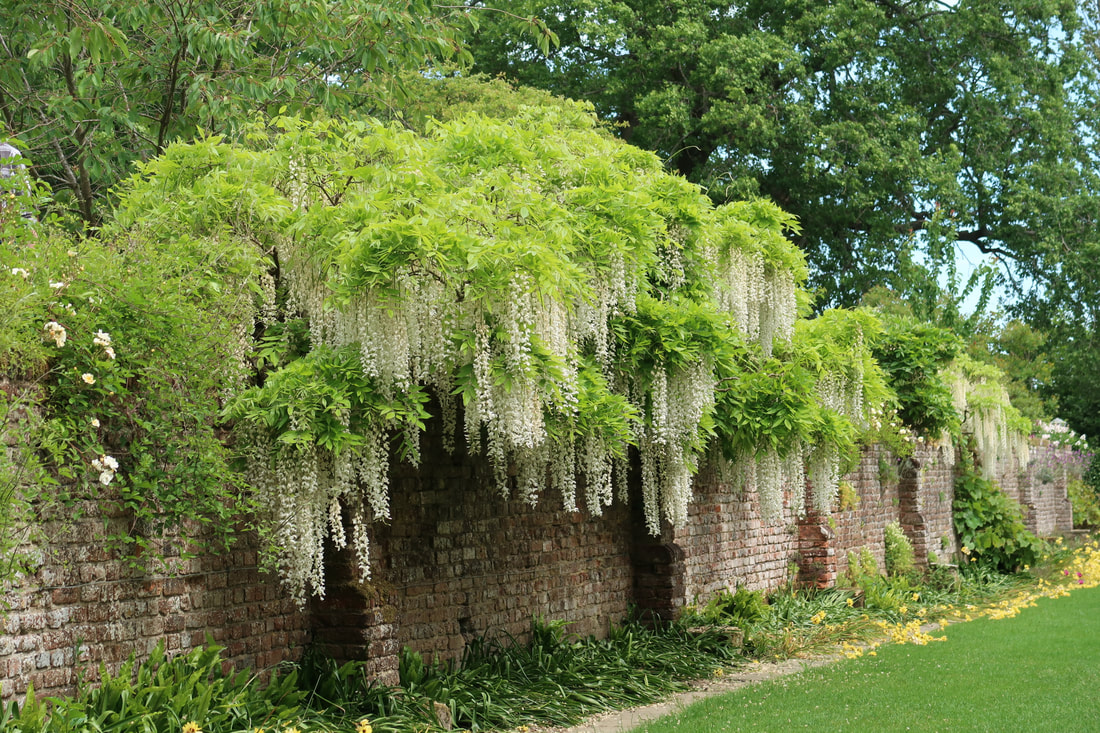
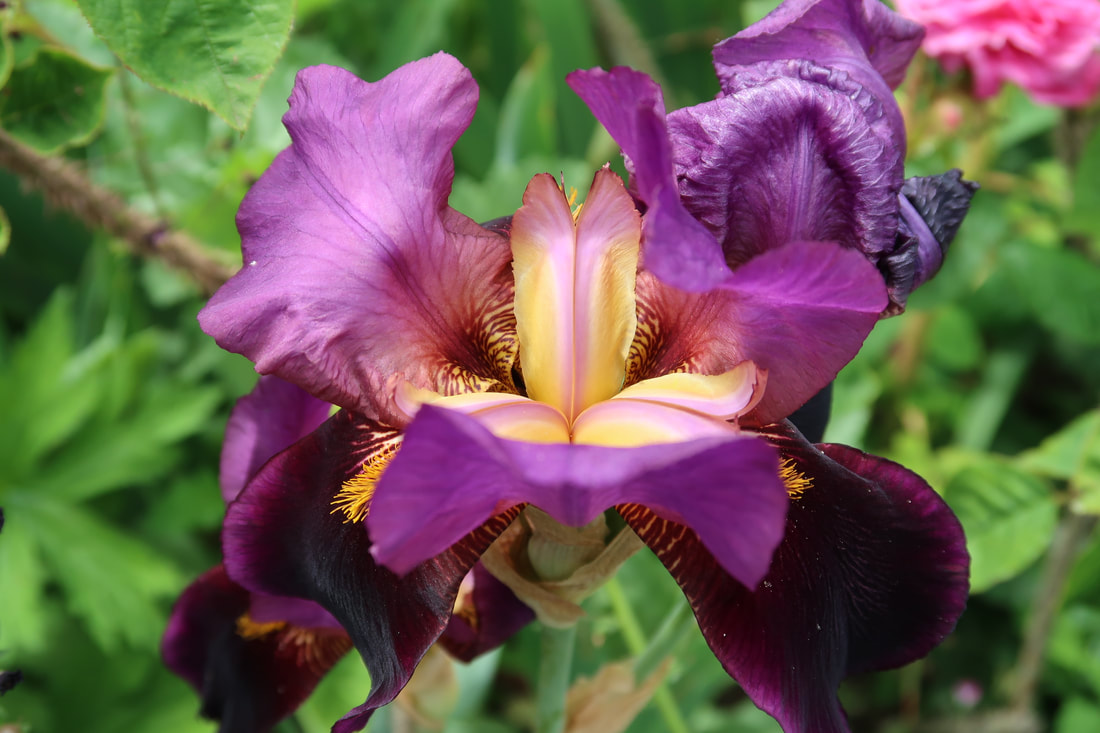
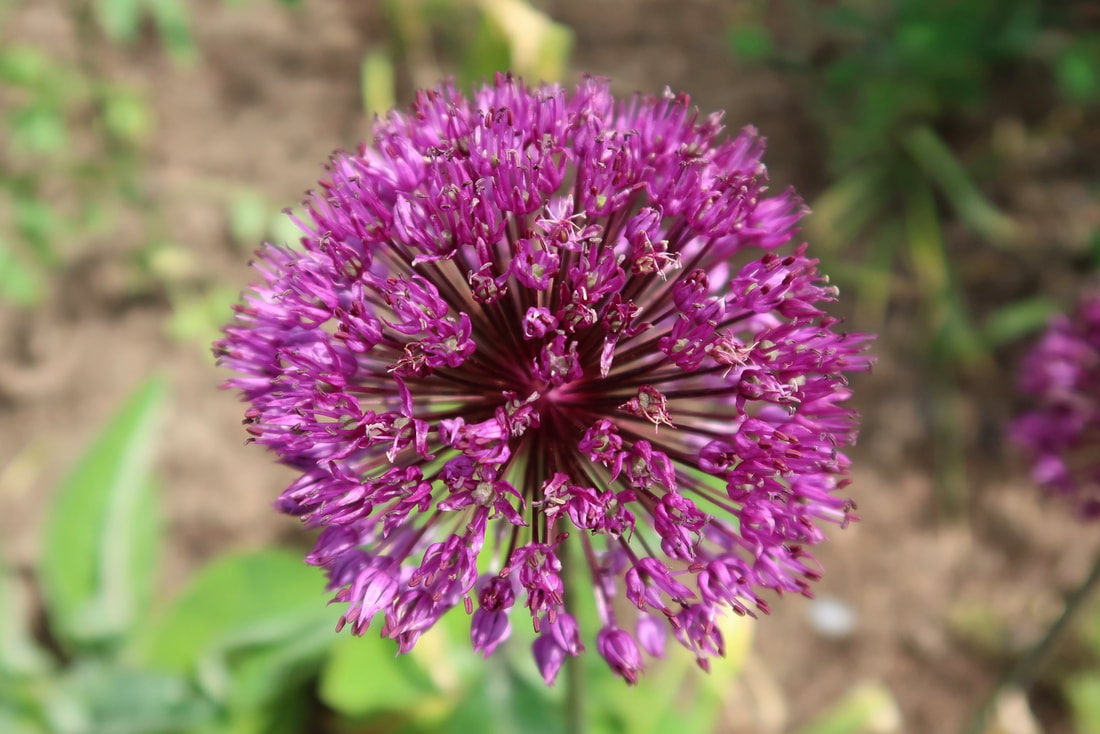
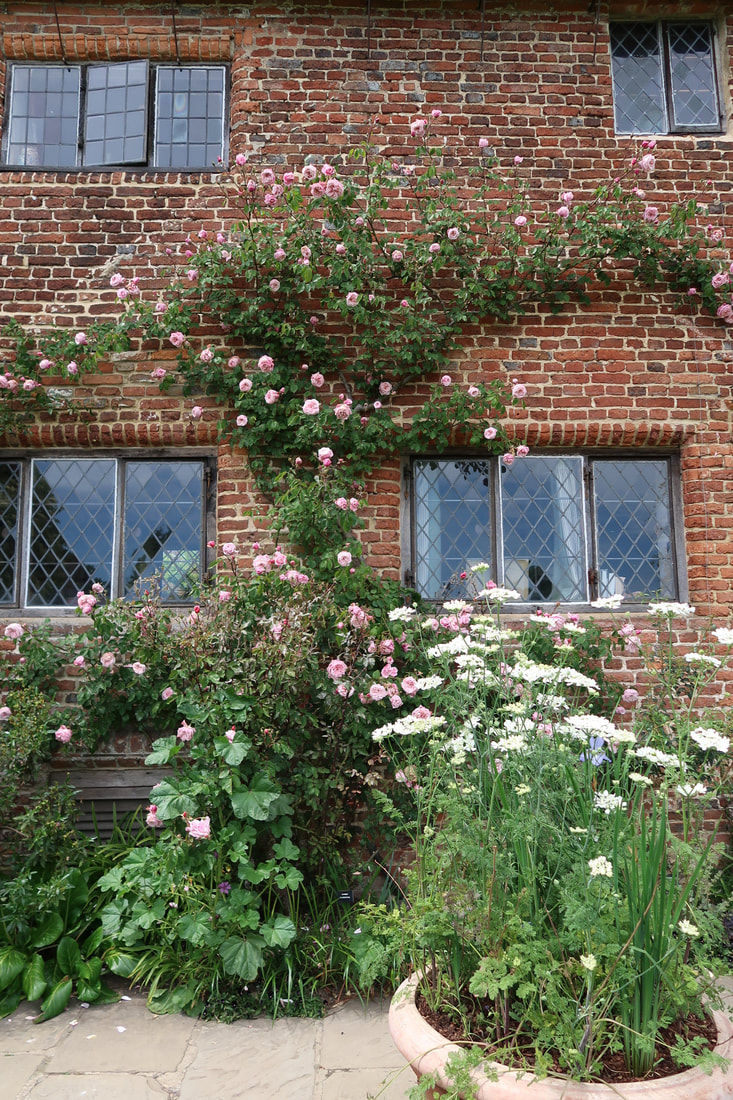
Perhaps what I love most of all about Sissinghurst is the huge array of floral variety in the 5 acres of gardens. 

The wonderful expanse of white in the aptly named White Garden, the myriad of scents in the Rose Garden and the Herb Garden, as well as the heavily laden apple tree branches in the orchard are an assault on the senses.

The explosion of colour is an absolute delight as you meander through the quaint Cottage garden and along the Moat, Yew and Lime Walks.
There are a number of seats and places to sit and soak up the atmosphere as well as a cafe and shop. Make the effort to climb to the top of the tower to take in 360 degree views of the Kent countryside.
1 Comment

Tales of a Taphophile or in search of famous and not so famous graves - Volume I

5/7/2017

0 Comments

 
I have long been fascinated by graveyards and cemeteries. They are a place of history and contain the life stories of the rich, poor, those who experienced long and fulfilled lives and those whose lives were cut short. The weather can change the feel and atmosphere of a graveyard as can the time of day you visit. Well kept cemeteries can smell of freshly cut grass, newly placed flowers and may have clean and well ordered headstones. Older and less well kept graveyards have ageing headstones, some cracked with weather worn epitaphs to the departed, that are bedecked with moss and lichen and tree roots invading and upturning graves.
Over the years I have actively sought out or sometimes just stumbled across the graves of a number of well known people, some in the UK and some overseas.
​
Picture


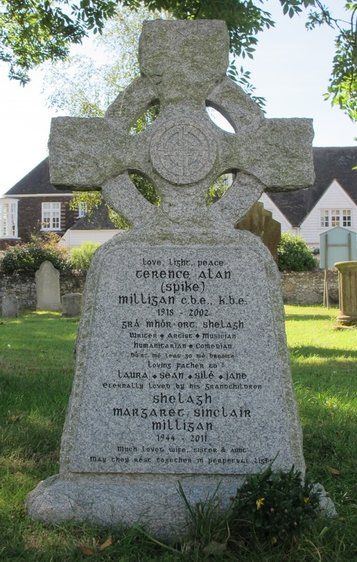
​In the graveyard of St Thomas the Martyr Church, Winchelsea, East Sussex can be found the resting place of well known comedian, writer and actor Spike Milligan. He is probably best know for his writing for 'The Goon Show'.


Picture


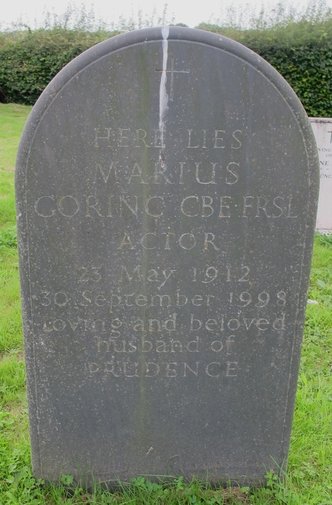
​The grave of actor Marius Goring can be found in the churchyard of St. Mary the Virgin, Warbleton, East Sussex. His early work was on the stage before moving into films. He was a founding member of Equity, the UK actors' union in 1929 and was its president from 1963-65 and 1975-82.
His best known movies are probably 'The Red Shoes' (1948), 'Pandora and the Flying Dutchman' (1951) and 'The Barefoot Contessa' (1954).


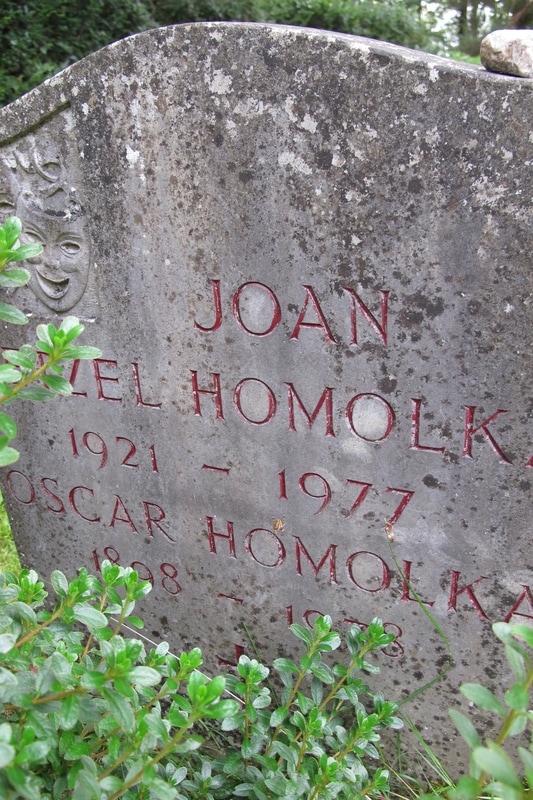
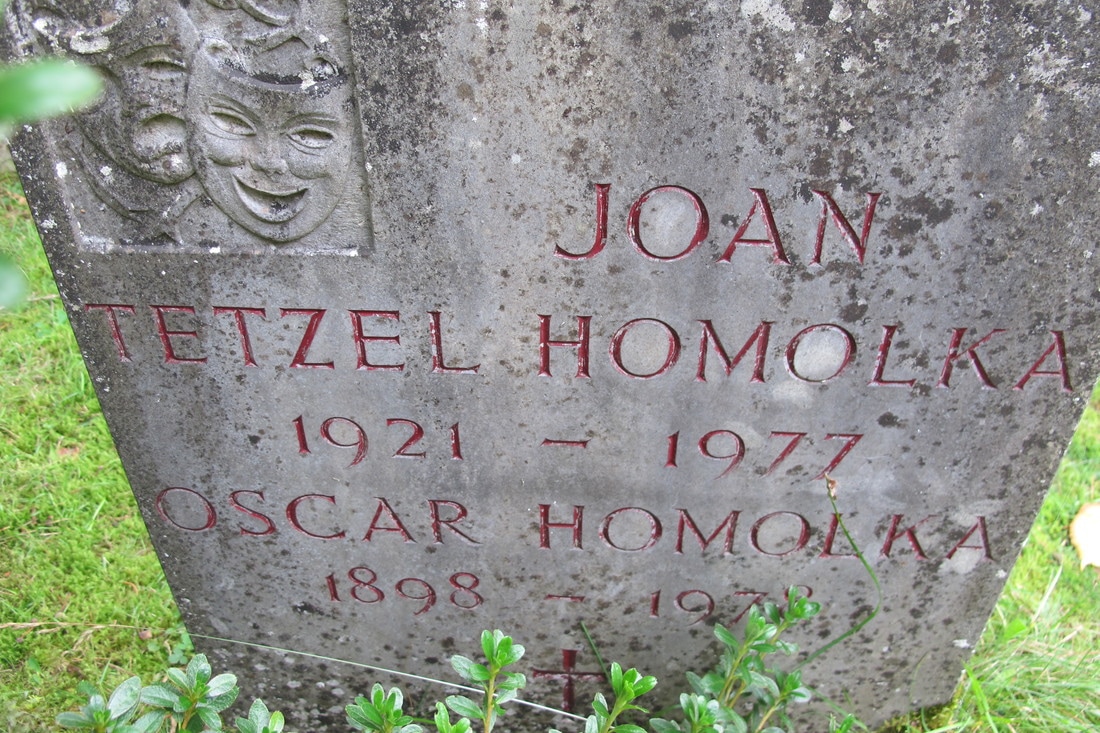
Actor Oscar Homolka was born in Vienna in 1898. He served in the Austro-Hungarian Army during the First World War before going on to train as an actor. He moved to Germany to pursue his career but after the rise of Hitler in 1933 moved to Britain. While in Britain he had roles in 'Rhodes of Africa' (1936) and Alfred Hitchcock's 'Sabotage' (1936).

Homolka moved to the USA in 1939 acting on Broadway and making over 30 movies. He was nominated for an Academy Award for his role of the uncle in 'I Remember Mama' (1948) and also started alongside Marilyn Monroe in 'The Seven Year Itch' (1955). Other roles had him working alongside Ronald Reagan, Katharine Hepburn, Ingrid Bergman and Michael Caine. In the 1960's he returned to England.
​His grave and that of his fourth wife, Joan Tetzel, an American actress (Duel in the Sun-1946), can be found in Christ Church churchyard, Fairwarp, East Sussex.

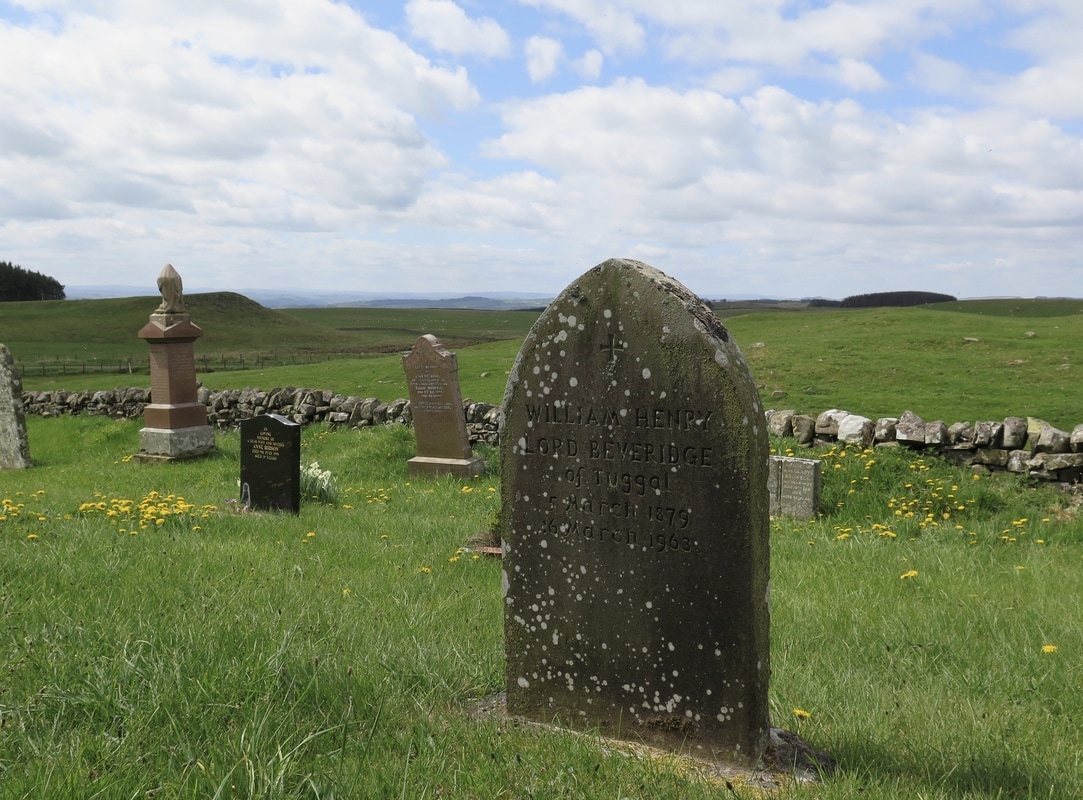
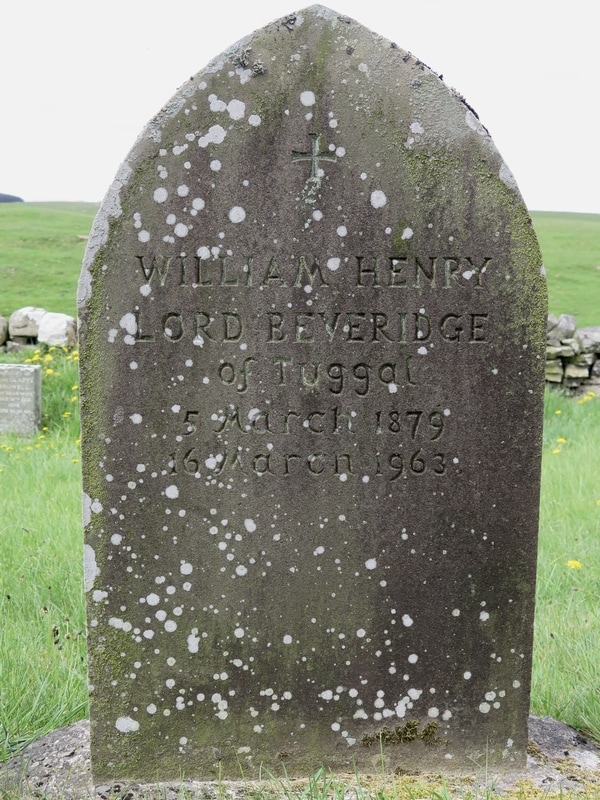
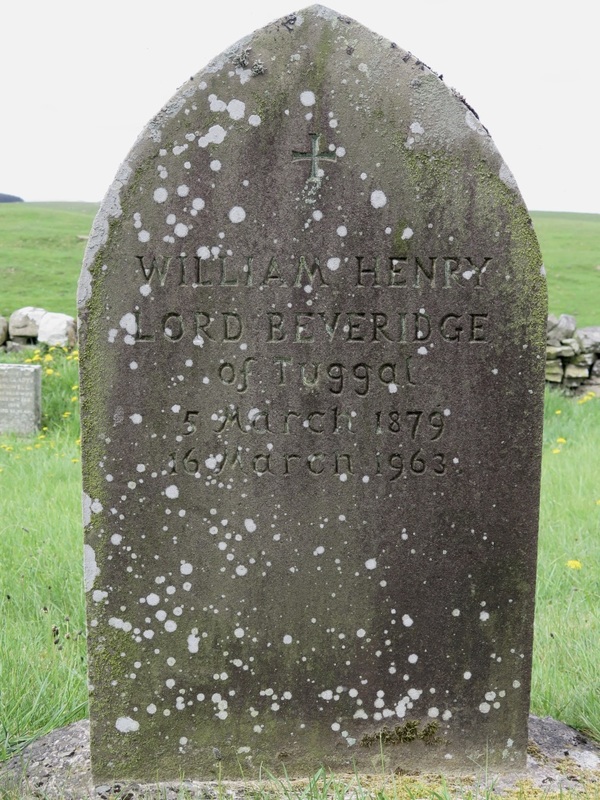
William Henry Beveridge, better known as Lord Beveridge was an economist, social scientist and academic. He was born in Rangpur, British India (now Bangladesh). He is best known for his 1942 Beveridge Report, which was the basis of the welfare state put in place in 1945 by the Labour government.

​Beveridge was educated at Charterhouse School, Balliol College, Oxford where he studied Mathematics and Classics and then went on to study law. After several years in the Civil Service he left in 1919 to become the Director of the London School of Economics and Political Science.
His Report on Social Insurance and Allied Services proposed the payment of National Insurance contributions and was aimed at addressing the evils of 'Want, Disease, Ignorance, Squalor and Idleness'.
​Beveridge was a member of the Liberal Party and was elected to the House of Commons in 1944. He was also a member of the Eugenics Society.

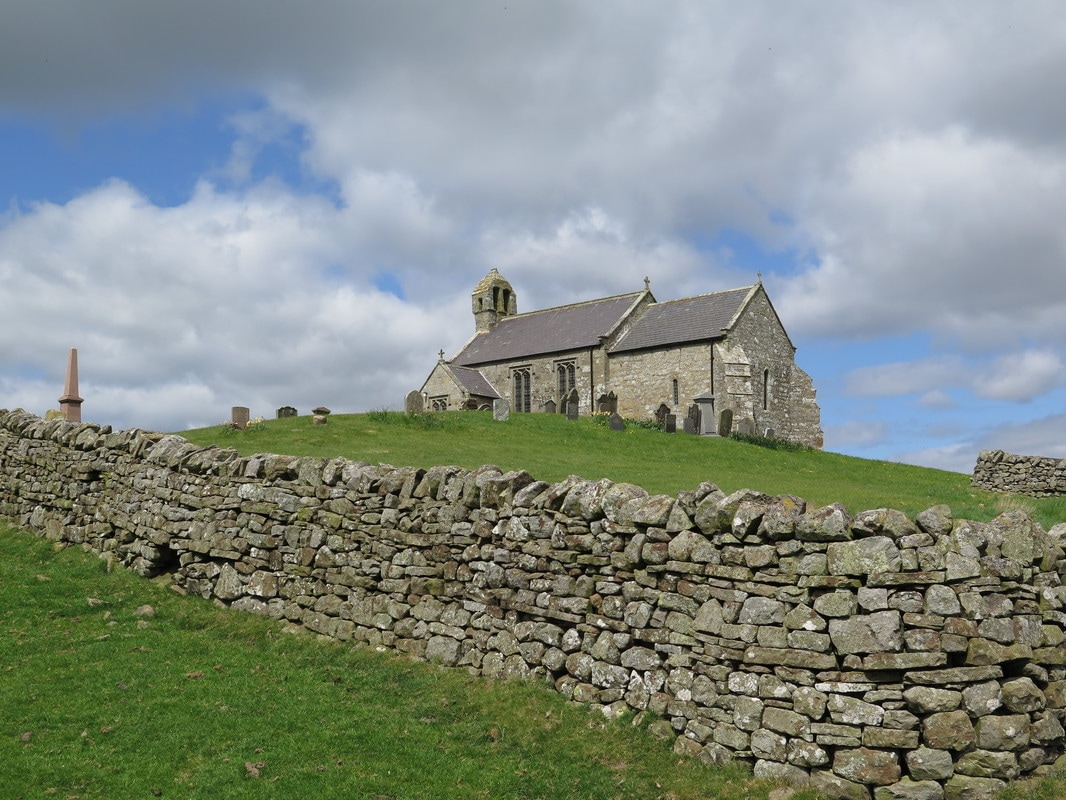
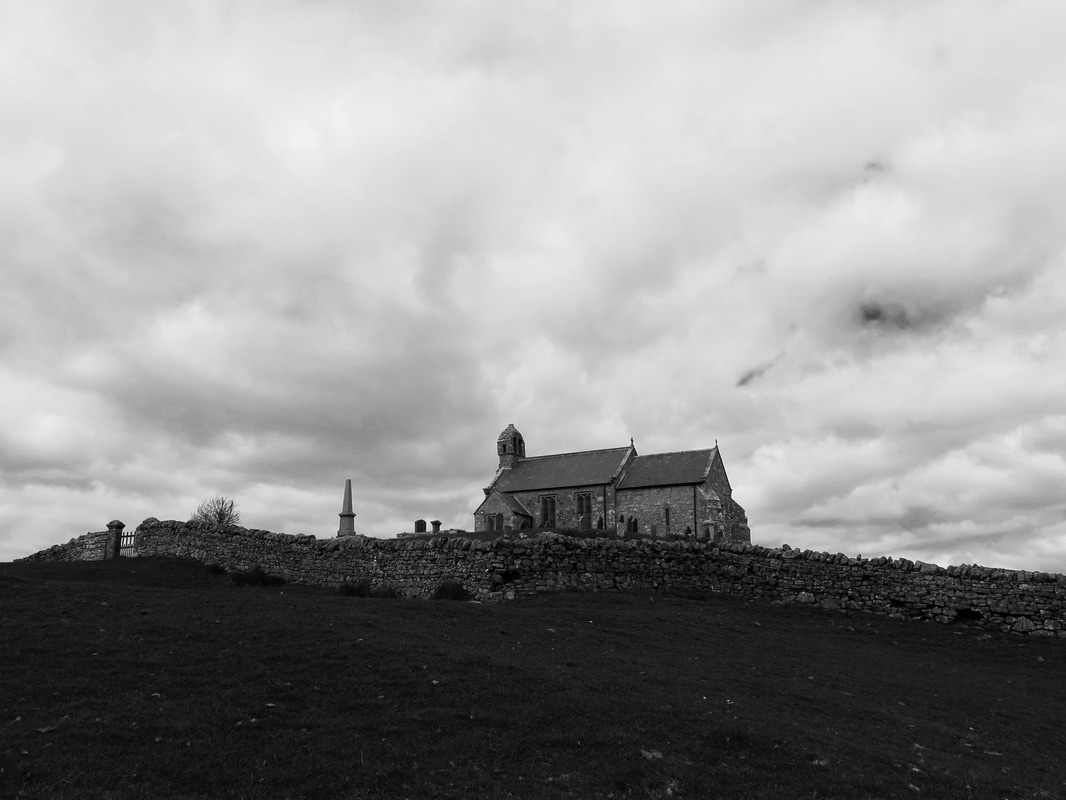
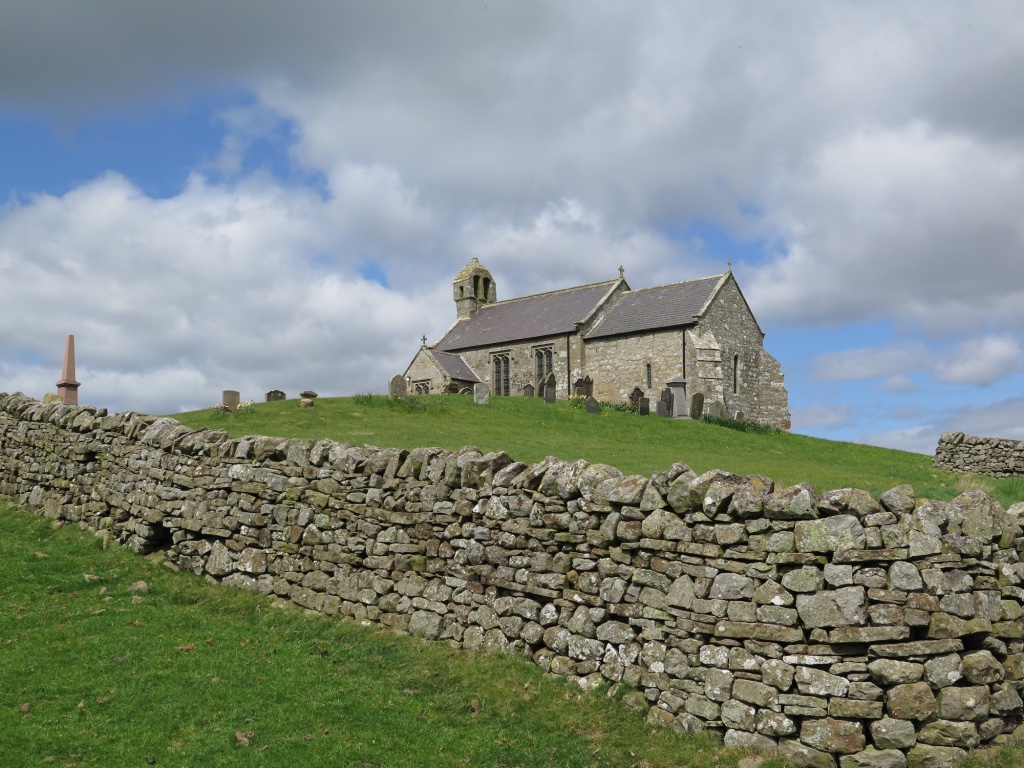
In 1946 he was made Barron Beveridge of Tuggal in the County of Northumberland. He is buried alongside his wife in the churchyard of St. Aiden, Throcklington, Northumberland. The church is one of the oldest in the county.

Also buried in the graveyard are the ashes of author Tom Sharpe, whose father was once vicar of Throcklington.

Picture
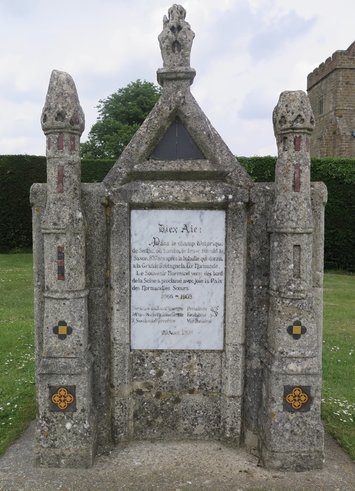
Returning south to the town of Battle and the location of the famous 1066 Battle of Hastings, we find a French memorial erected in 1903 to the Anglo-Saxon king Harold Godwinson. Harold was defeated by William the Conqueror at the Battle of Hastings at Senlac Hill, near present day Battle.

The memorial reads: 
DIEX AIE! (God be with us) The battle cry of the Dukes of Normandy, and the Normans at the Battle of Hastings. 

Translation:

Into the historical field of Senlac where fell the brave Harold the Saxon, 837 years after the battle which gave gave Norman Law to Great Britain. The Norman Memory come from the edges of the Seine has proclaimed with joy the Peace of Normandy's Sisters.

The place where Harold died became the site of Battle Abbey, founded by William at the site of the battle. The abbey remains are now owned and administered by English Heritage and are open to the public. There are annual reenactments of the battle, which attract many visitors.

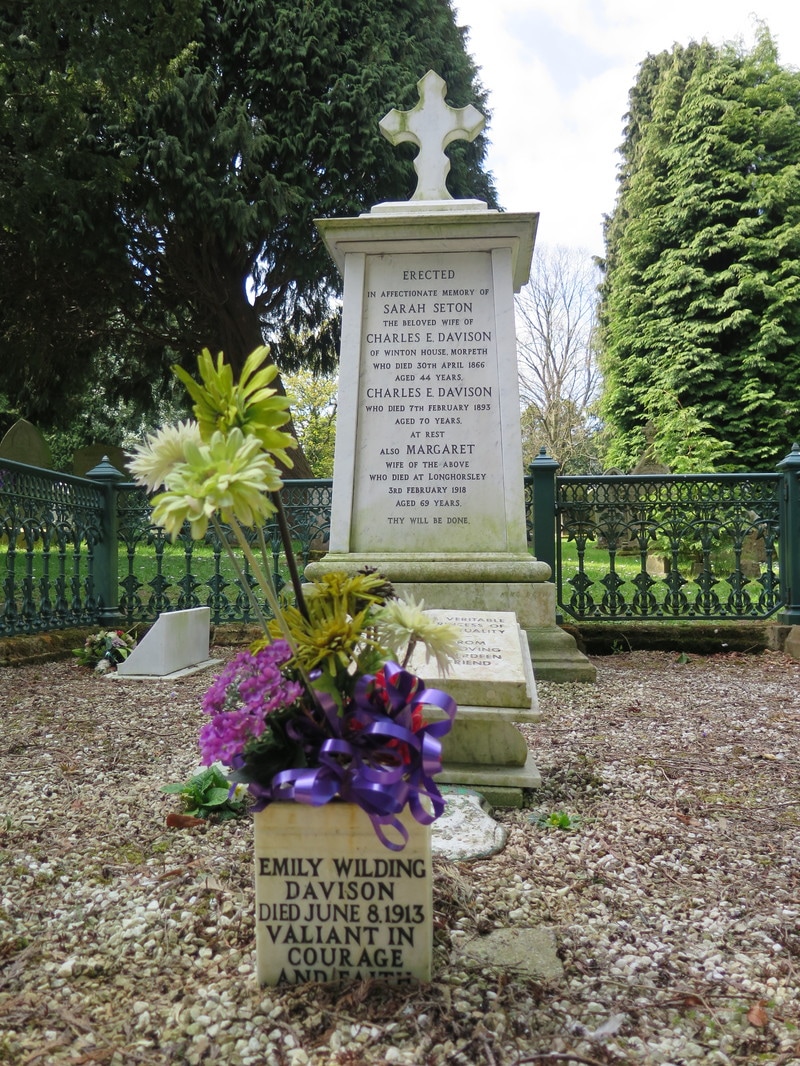
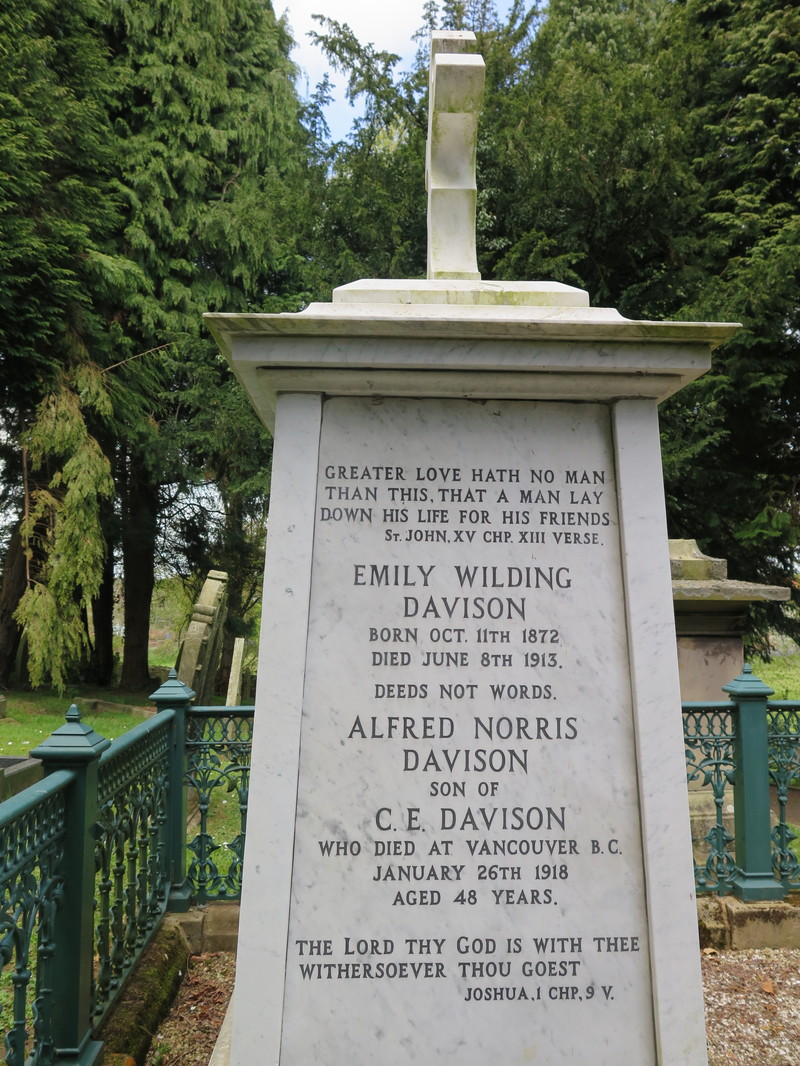
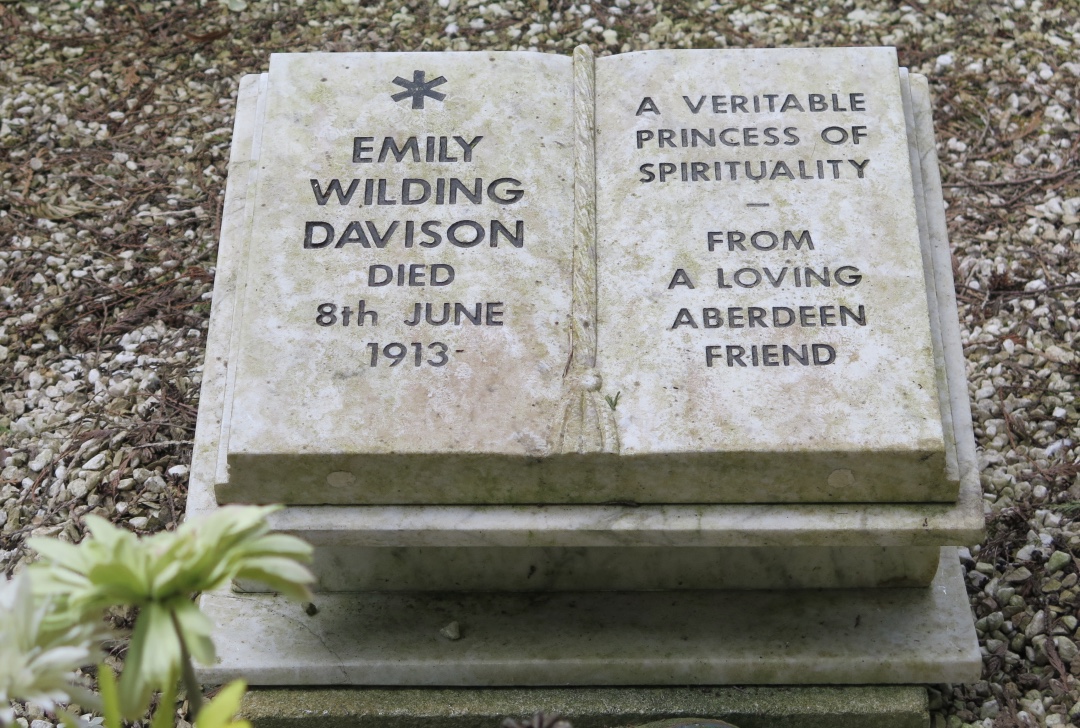
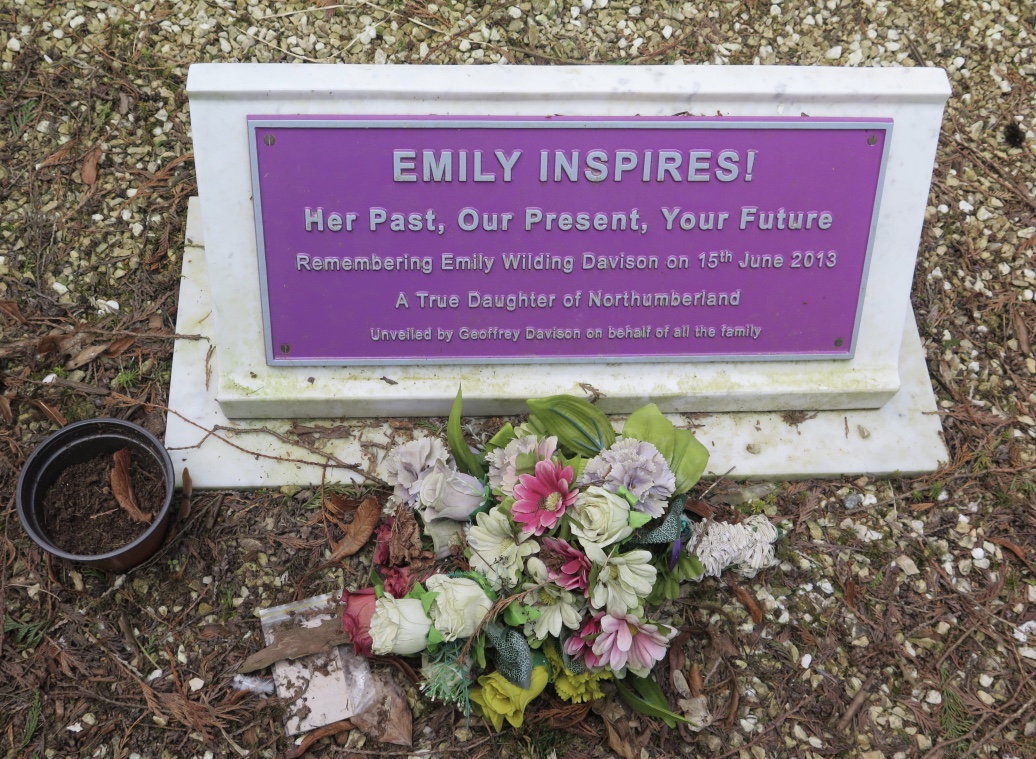
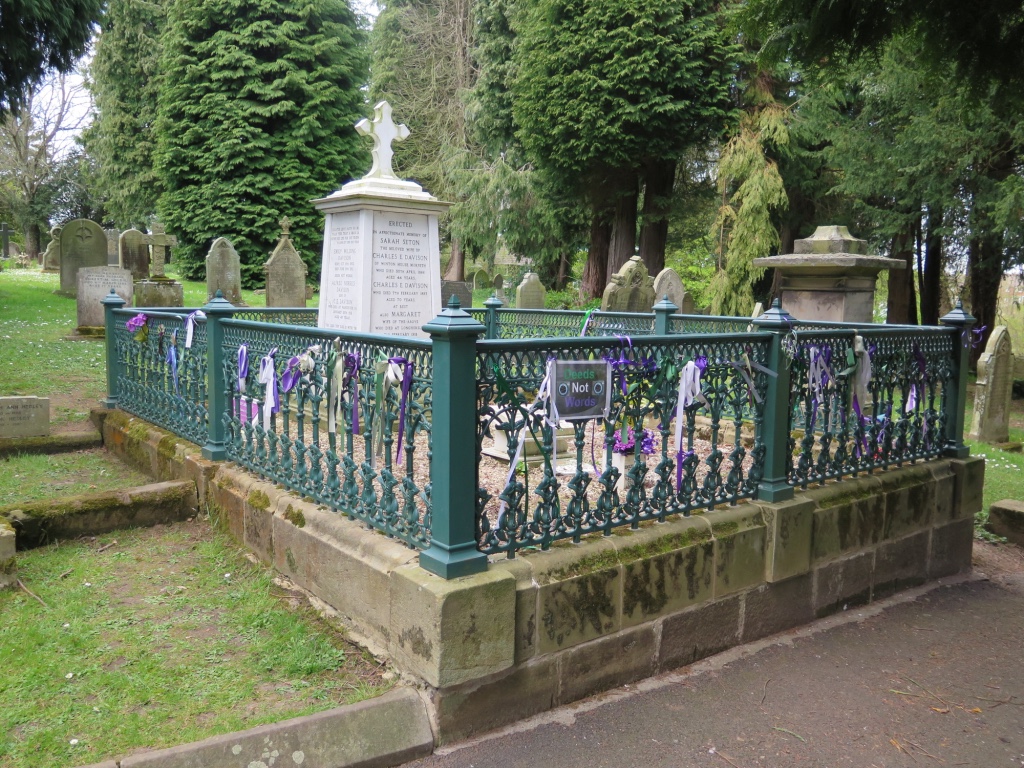
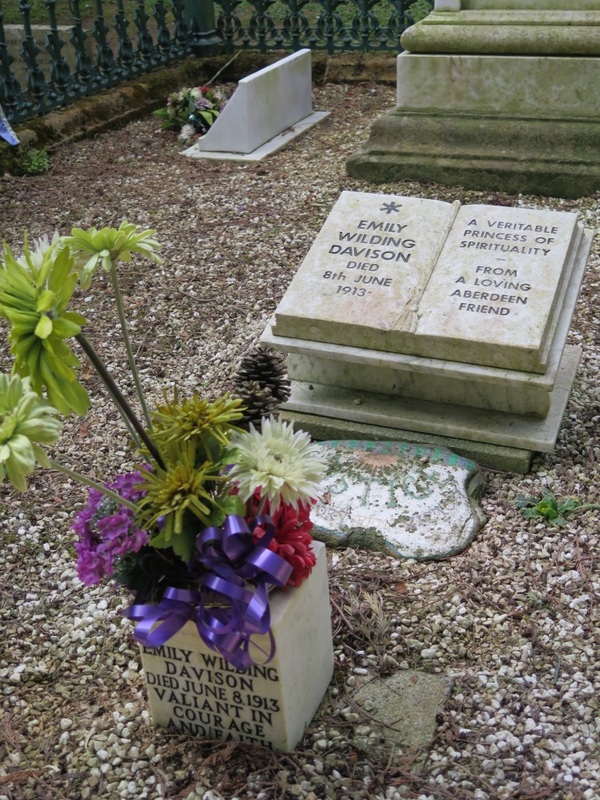
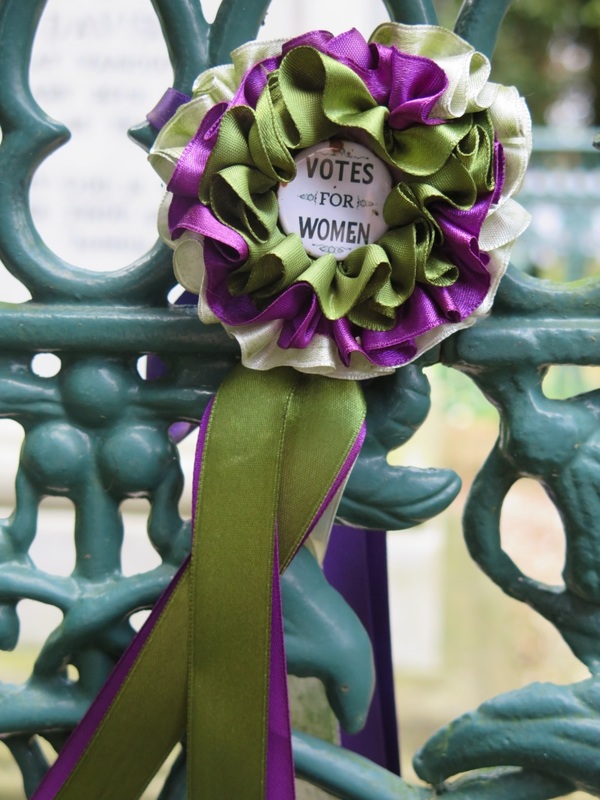
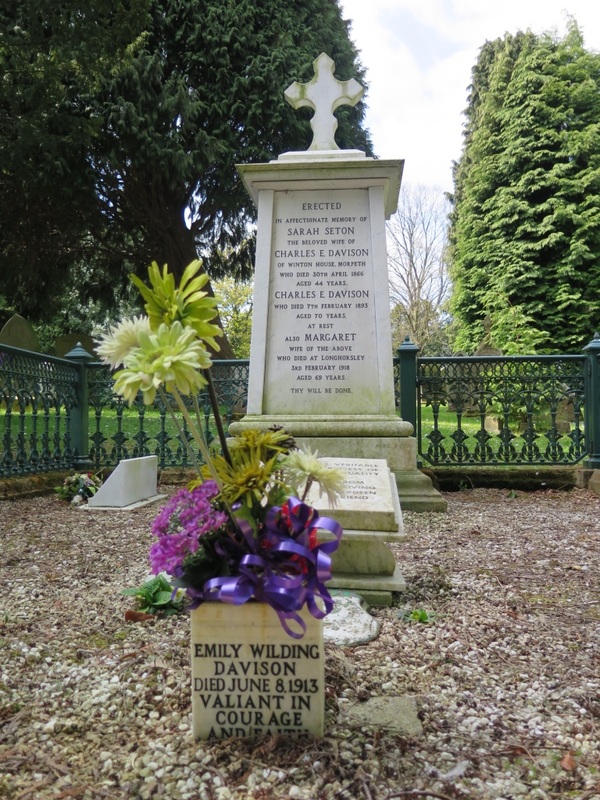
Emily Wilding Davison is probably best know as the woman who lost her life after sustaining fatal injuries caused by being trampled King George V's horse Anmer at the Epsom Derby on 4th June 1913 as she demonstrated and fought for women's suffrage in Britain.
​
Emily studied English Literature at St. Hugh's College, Oxford at a time when women were not awarded degrees. She joined the suffrage movement in 1906 and was involved in many militant acts. Davison was imprisoned 9 times during which she went on hunger strike and was subjected to traumatic force feeding. On the night of the 1911 census she hid in the chapel of the Palace of Westminster so she could record her residence as the House of Commons.
​
Although her funeral, organised by the WSPU (Women's Social and Political Union) was held in London, her body was transferred to the family plot in Morpeth, Northumberland in the churchyard of St. Mary the Virgin.
Picture
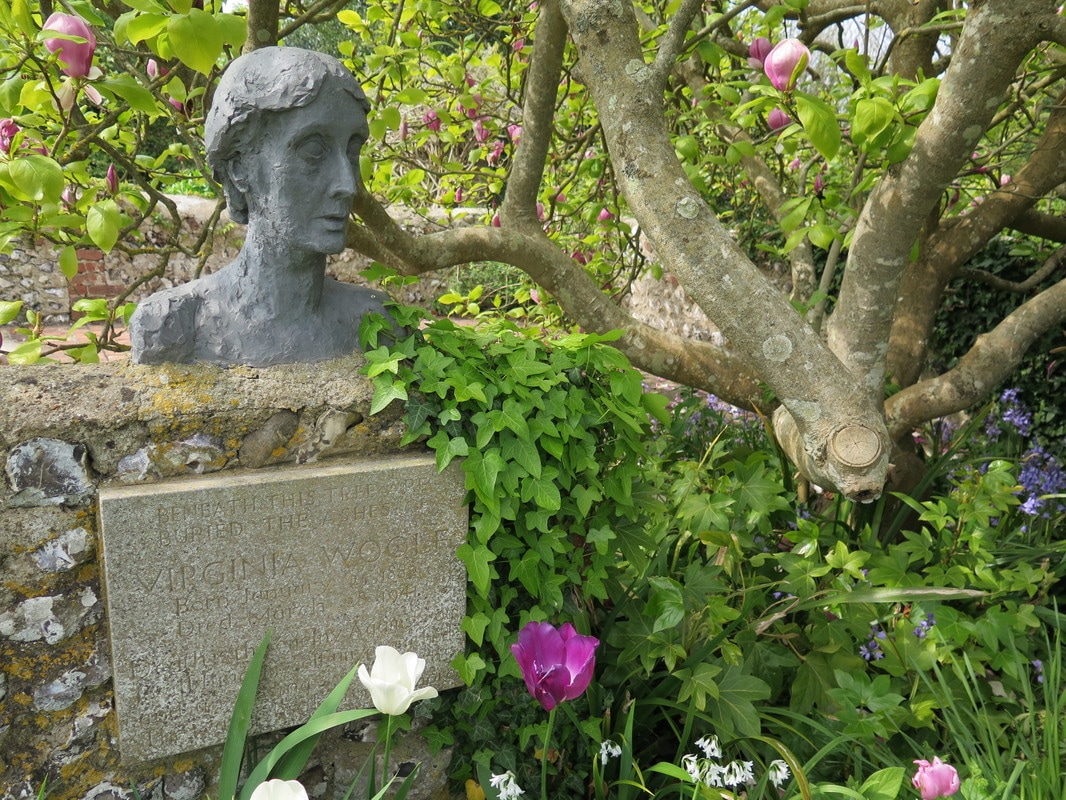
Born Adeline Virginia Stephen in in London in 1932, Virginia Woolf went on to become a renowned author and central figure of the Bloomsbury Group.

​Traumatic events during her youth - the death of her mother when she was thirteen, the death of her sister Stella when she was fifteen followed by the loss of her surrogate mother and brother Toby resulted in Virginia experiencing a number of breakdowns. the death of her father in 1904 led to her being institutionalised for a short time. Throughout her life she experienced mental health issues and depression.

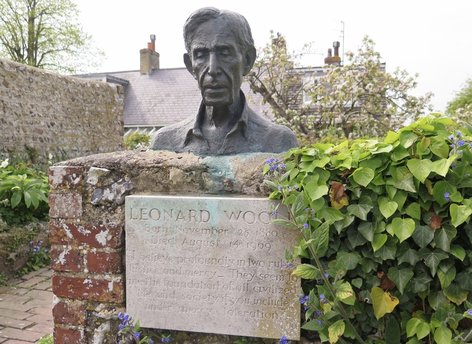
​She married the writer Leonard Woolf in 1912. In 1919 they purchased Monk's House in Rodmell, East Sussex. The liberal approach to sexuality of the Bloomsbury group resulted in Virginia having a sexual relationship with the writer Vita Sackville-West, despite them both being married.

Woolf's best known works include the novels To the Lighthouse, Mrs. Dalloway, Orlando and The Waves and the essay, A Room of One's Own.

In 1941, Woolf once again fell into depression. She filled the pocket of her overcoat and drowned herself in the River Ouse. Her cremated remains lie beneath an elm tree in the garden of Monk's House. Leonard Woolf died in 1969 and his remains were placed alongside those of his wife.

Picture
Picture


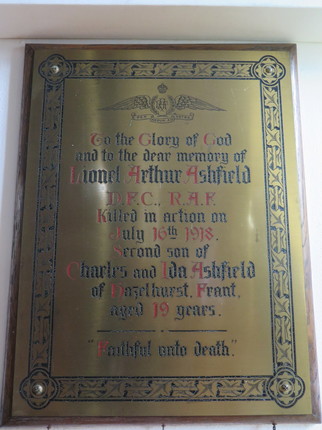
​A memorial tablet to Lieutenant Lionel Arthur Ashfield, DFC adorns the east wall of the nave in St Alban's church, Frant, East Sussex. Lionel's father was the headmaster of Hazelhurst School in Frant.

Ashfield joined the Royal Naval Air Service in April 1917 becoming a sub-lieutenant later that year. In 1918 he became a lieutenant in the newly formed Royal Air Force. He is credit as having shot down several enemy aircraft during aerial combat.

In July 1918 his aircraft was shot down over Flanders on the return from Bruges. In August it was announced that he had been killed in action. His body was interred at 
Ramscappelle Road Military Cemetery. 

He was aged 19 at the time of his death.


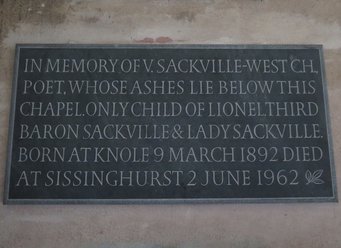
​Vita Sackville-West was a novelist, poet and garden designer. She was born at Knole House in 1892, and became a member of the aristocratic Sackville-West family.

In 1913 she married writer and politician Harold Nicolson.
They had two children. During their married life they both has same sex relationships and had links with the Bloomsbury Group.  One of  Vita's most famous affairs was with Violet Trefusis.
In 1922 Vita met the writer Virginia Woolf, with whom she embarked on a 10 year relationship from 1925-35.

Sackville-West's novels included 'The Edwardians' and '
All Passion Spent'. The family acquired Sissinghurst Castle, Kent in the 1930's, an impressive property with an Elizabethan tower that had once belonged to Vita's ancestors. Sissinghurst is now owned by the National Trust.
​Vita died in 1962 and her ashes are buried in the Sackville family chapel in St Michael and All Angels Church, Withyham.


​
Picture
Picture
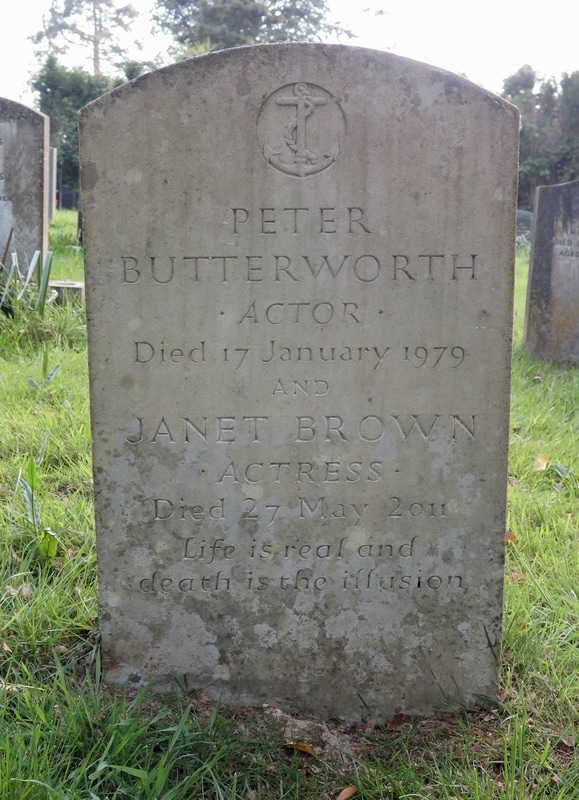
In the churchyard of All SaintsChurch, Danehill can be found the grave of actor Peter Butterworth and his wife the well known actress and impressionist Janet Brown.

Butterworth served as a lieutenant in the Royal Navy Fleet Air Arm during World War Two, hence the anchor on the gravestone. He was shot down and became a prisoner of war, spending some time in Stalag Left III, famous for 'The Great Escape'. He is probably best know for being a cast member in the series of 'Carry On' films, appearing in sixteen of them.

He married Janet Brown in 1946. She became known for impressions of Margaret Thatcher during the 70's and 80's.

Butterworth was appearing in pantomime and died of a heart attack. He was found in his hotel room after failing to turn up for a matinee performance.

0 Comments

Northumberland resting places of the famous

5/24/2016

2 Comments

 
This year I have made several visits back to my native land of north east England. During my most recent visit I came across the resting places of two influential historical figures, Lord William Beveridge and Emily Wilding Davison.

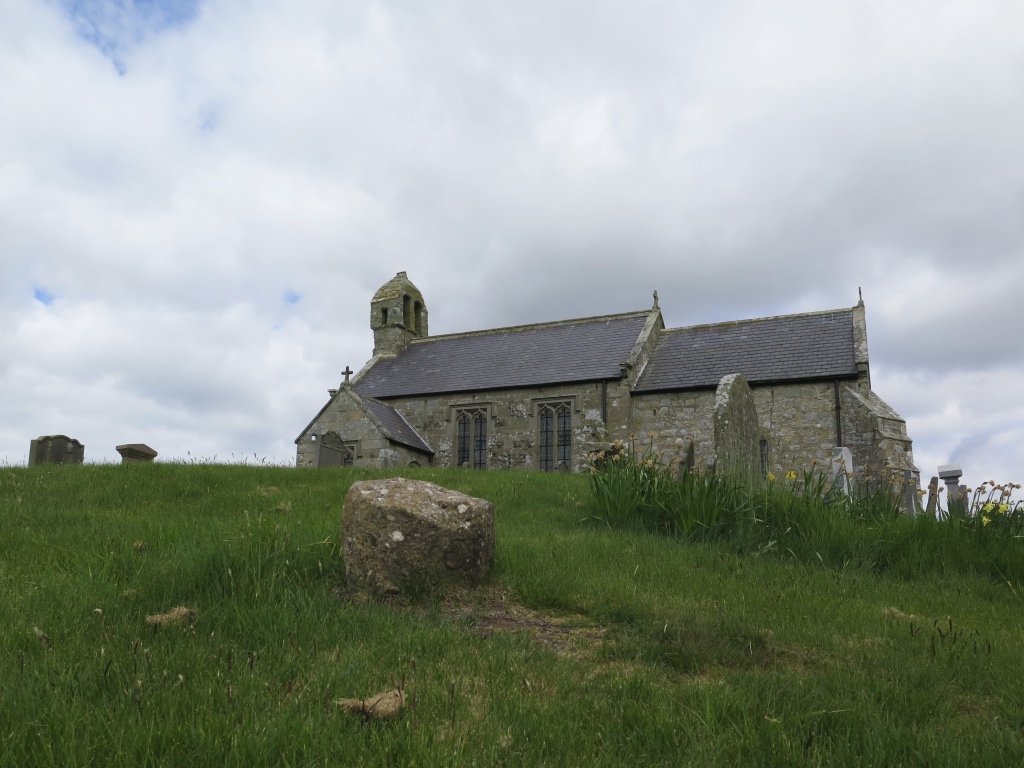
I ventured up to the village of Thockrington in Northumberland. Not a great deal of the village remains apart from a farm and the church of St. Aidan. The church was built in 1100AD by the Norman Umfraville family. The village disappeared around 1847 after a cholera epidemic apparently brought back by a sailor. 

Picture
Lord Beveridge was an economist and social reformer and is best remembered for the Beveridge Report, which was the basis of the welfare system put in place by the Labour government elected in 1945. Perhaps the best known reforms introduced were the expansion of National Insurance and the founding of the National Health Service. He is buried alongside his wife, (Jessy) Janet.

​The writer Tom Sharpe's father had been a preacher at Thockrington and his ashes were interred here after his death, although I was not able to find any visible marker for these.

​Also buried here is Constance Leathart, who was a pioneering female aviator. She flew RAF aircraft on transit flights in Word War two. On her return to the UK she retired to a farm in Northumberland and cared for rescued donkeys. Again, there is no clear indicator as to her grave although later research indicates it is marked by a stone engraved with her initials that was used to enter her swimming pool.

Picture


​Could this be the stone marking the grave of Constance in the foreground? Think I may need to pay a return visit to take a closer look at the stone!


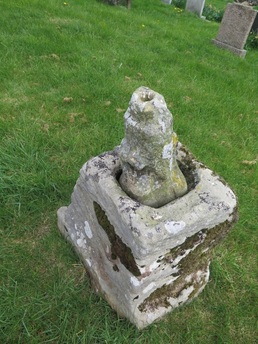
​An even older discovery in the churchyard was what appears to be the remains of a Saxon cross.
Picture
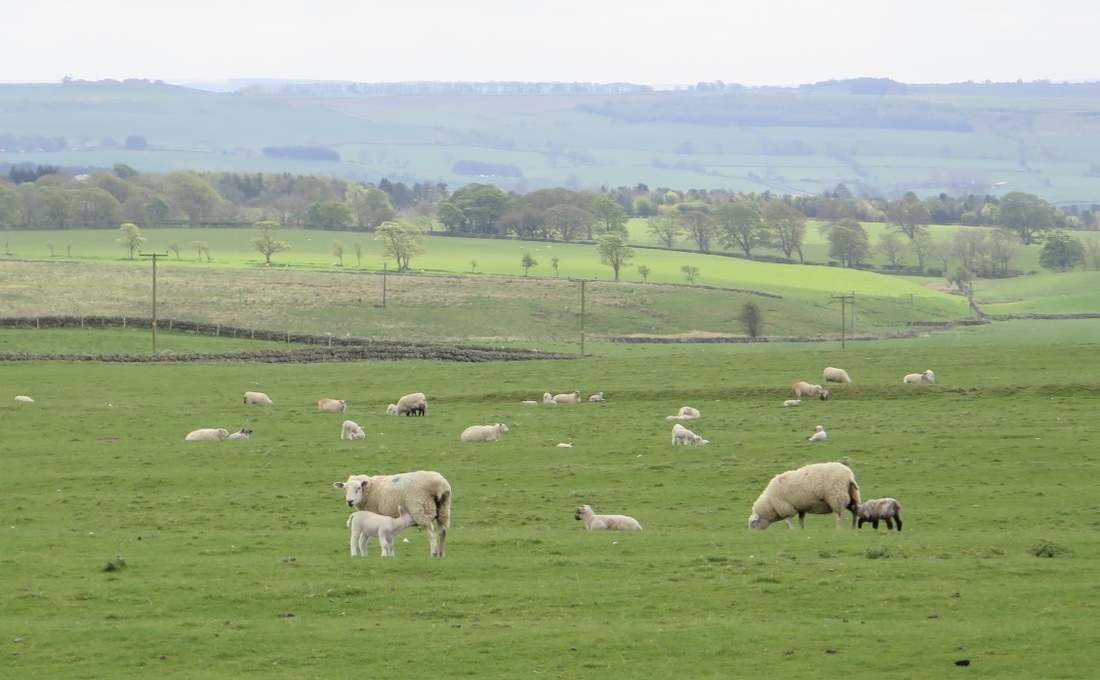
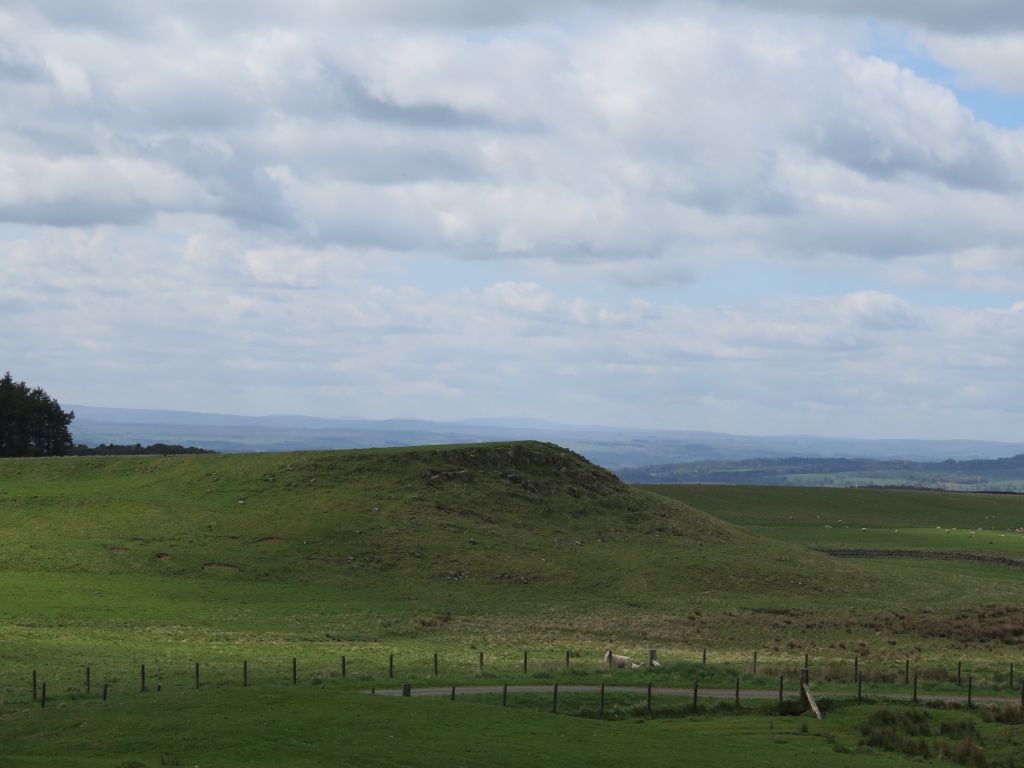
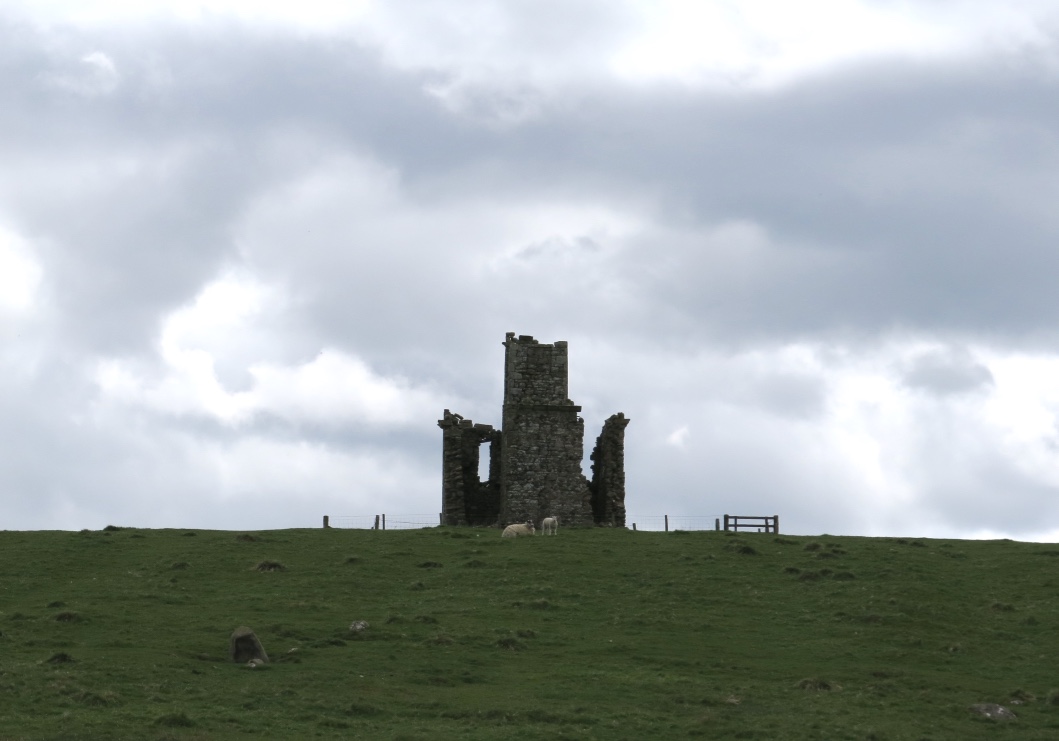
There are beautiful views of the surrounding countryside from the elevated area where the church is situated and as it was lambing season, some delightful lambs in the nearby pasture. On a hilltop not far from Thockrington the remains of a dovecot (near Hamilton Farm) can be seen.
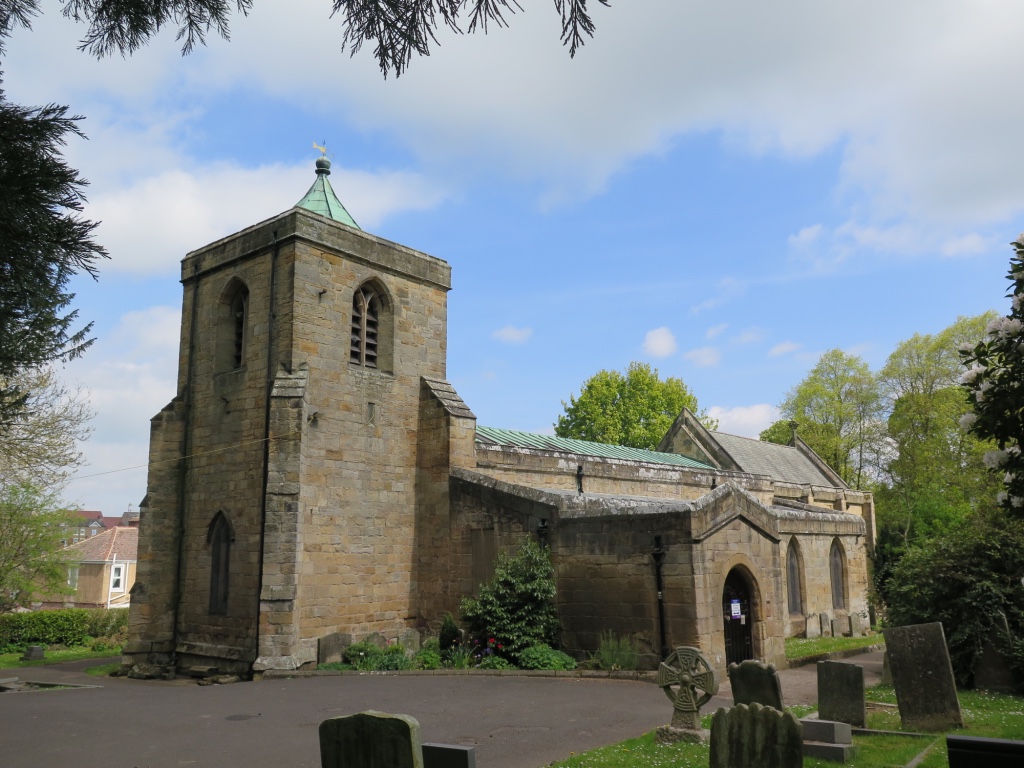
My next churchyard visit took me to the market town of Morpeth, some 13 miles north of Newcastle Upon Tyne. The 14th century church of St. Mary the Virgin lies just outside the town centre. The tower incorporates some of the oldest architecture of the church.
Picture
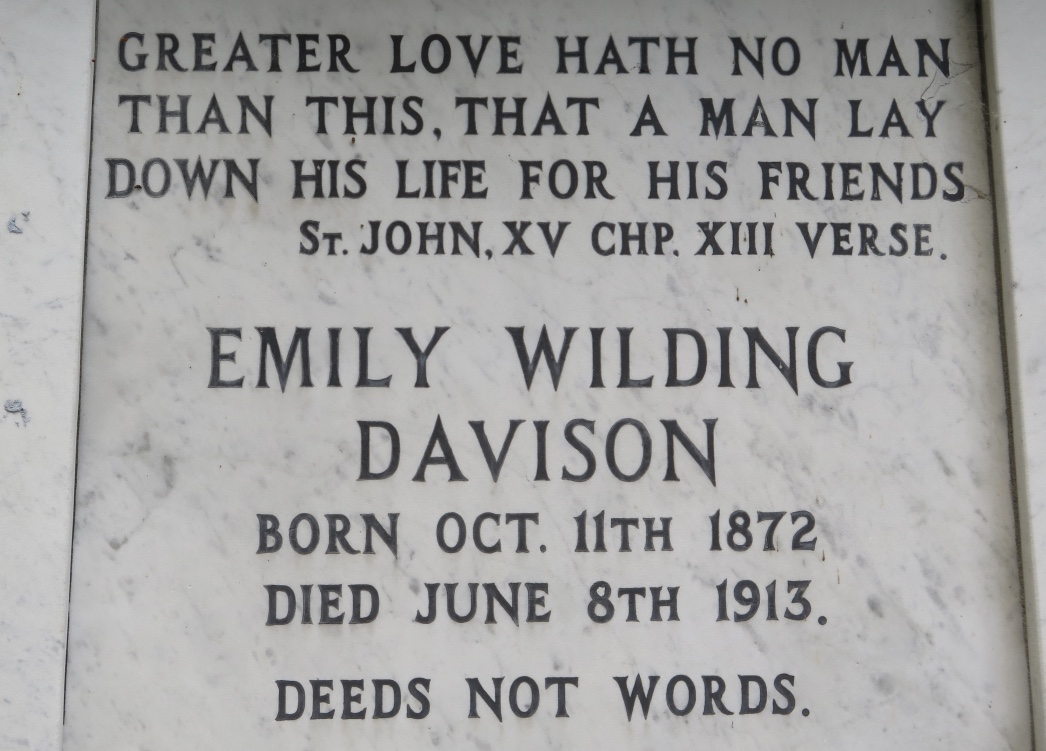
The main purpose of my visit was to seek out the resting place of Emily Wilding Davison, the militant suffragette. On 4 June 1913 she 'stepped in front of' King George V horse, Anmer, at the Epsom Derby and suffered fatal injuries, dying on 8 June. She had been carrying the banner of the Women's Social and Political Union (WSPU). Prior to this she had been arrested and imprisoned several times for her militant activities as a member of the women's suffrage movement.
After a service in London she was buried in the family grave in Morpeth. Her gravestone bears the motto of the WSPU 'Deeds not Words'.
2 Comments

Microadventures revisited! A return to some of the year's themes in the month of December

1/5/2016

0 Comments

 
It is hard to believe that 2015 has now drawn to a close. The year seemed to race by at super quick speed, or perhaps the older I become the quicker time seems to pass!

Some of the joys of the year included taking part in monthly micro adventures. The themes were set by a number friends and fellow enthusiasts with the aim being to encourage us all to spend a bit more time outdoors, exploring new places and it not costing us an arm and a leg! 

This year I tried out some wild camping without the support, or rather coverage, of a tent. My new Christmas gift of a bivvy bag had it's first outing in a chilly February under a wonderfully star filled night.

In December I was able to revisit a few of the themes and documented these in the images below. 
​
Picture


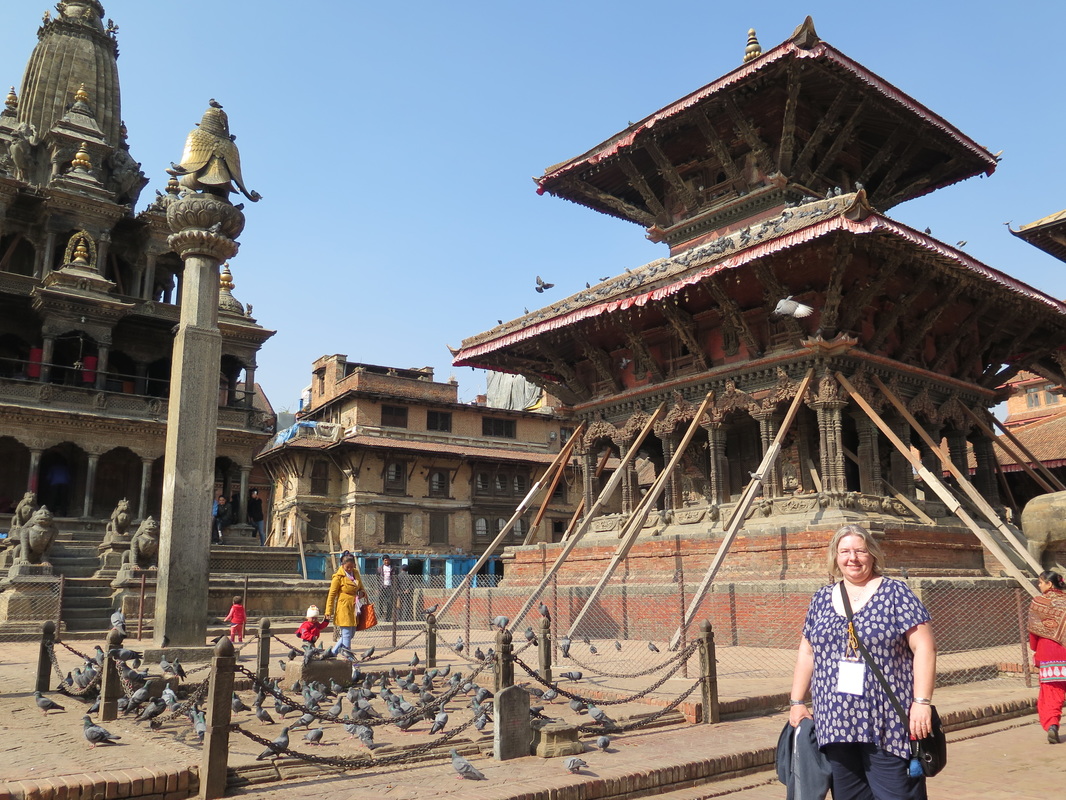
​At the beginning of December I revisited a place of historic interest in the form of a trip to Patan Durbar Square. On this occasion I was revisiting the square 8 months after many parts of it were damaged by the devastating April earthquake. 
​Even some of the temple structures that survived can be seen to be supported by wooden struts.
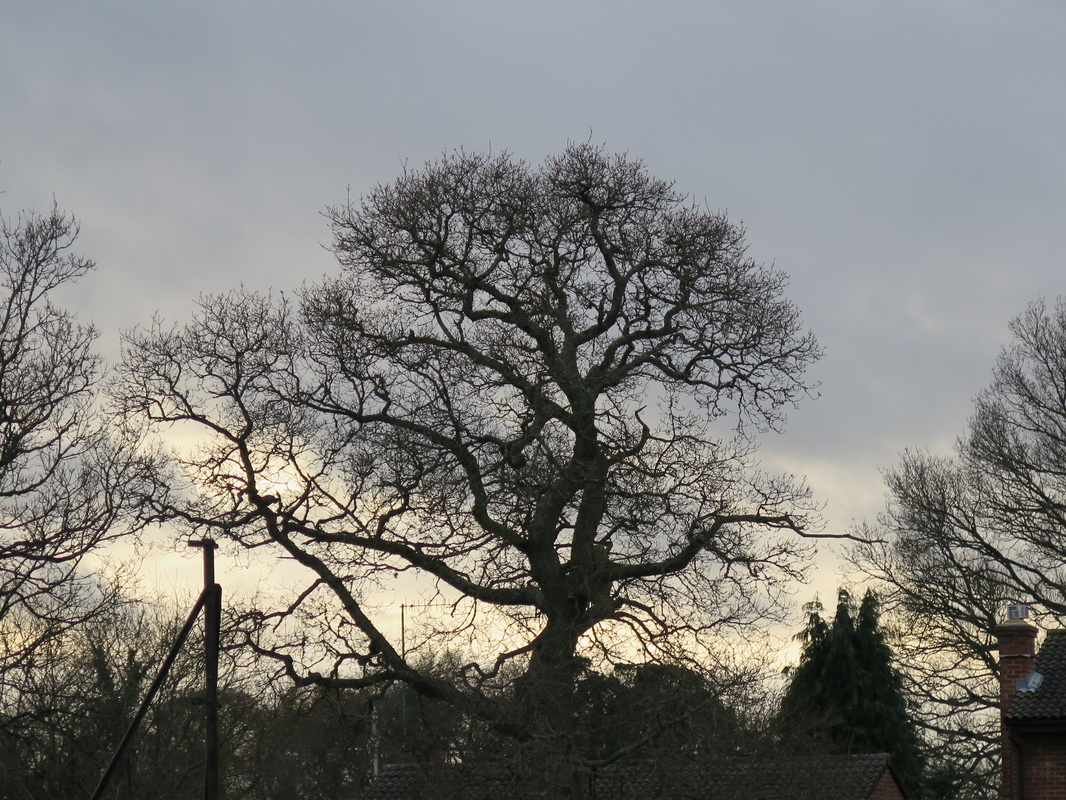
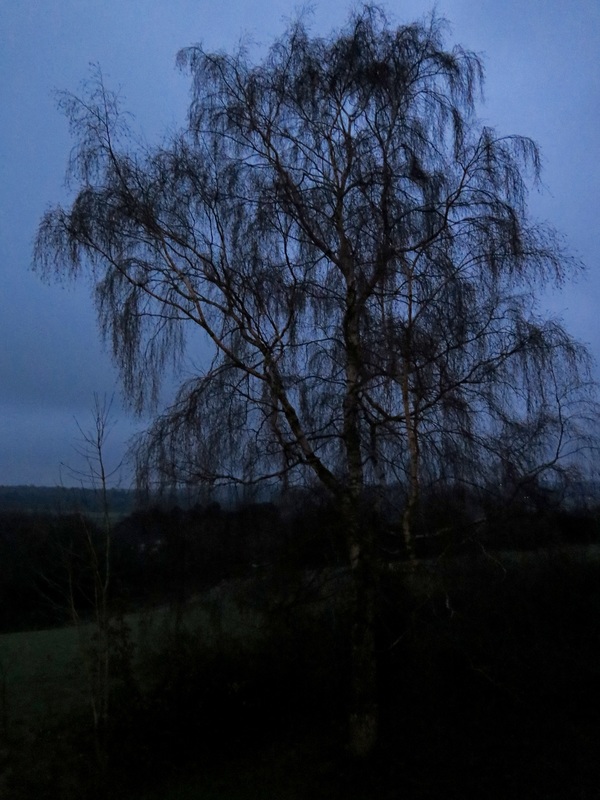
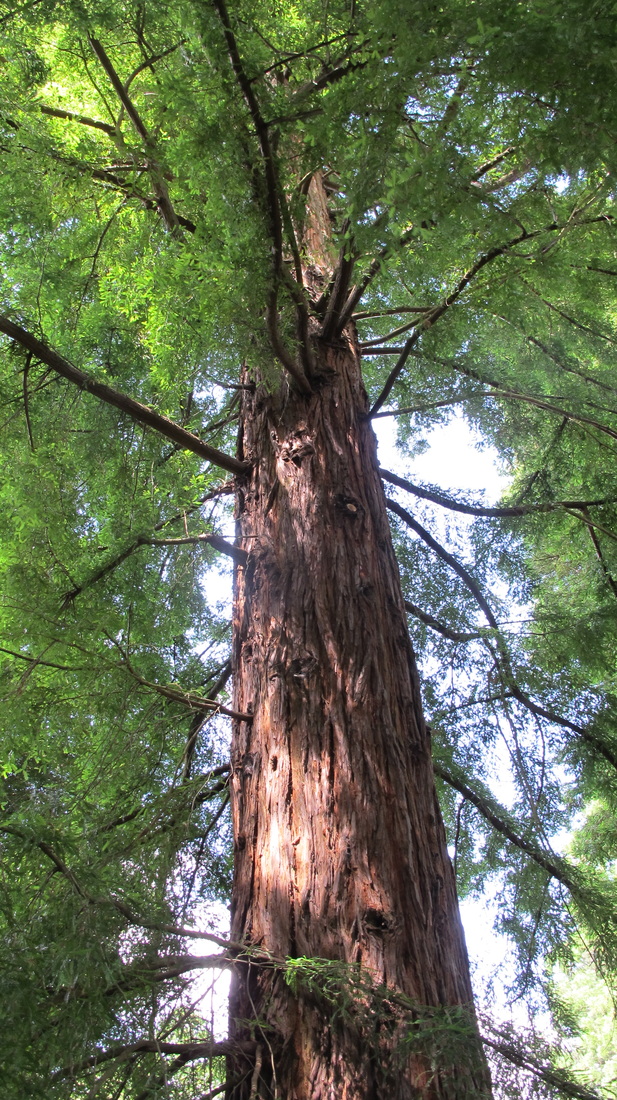
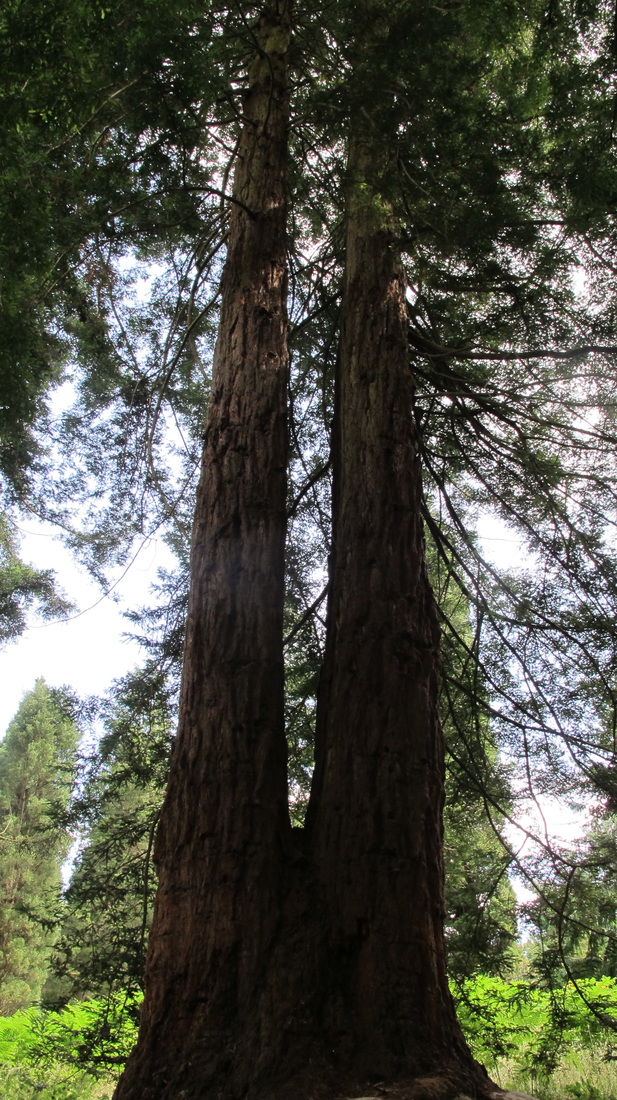
'Time with trees' had been an enjoyable challenge and this time round I chose to try and capture the trees near my home in different lighting conditions. 


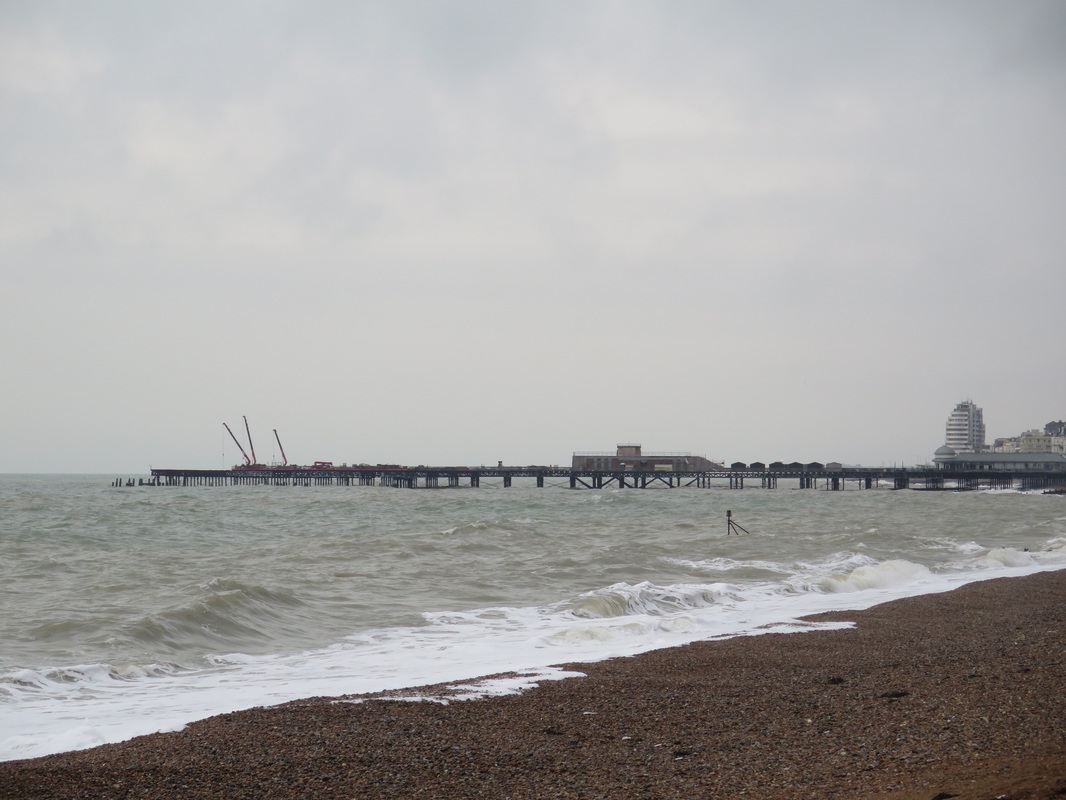
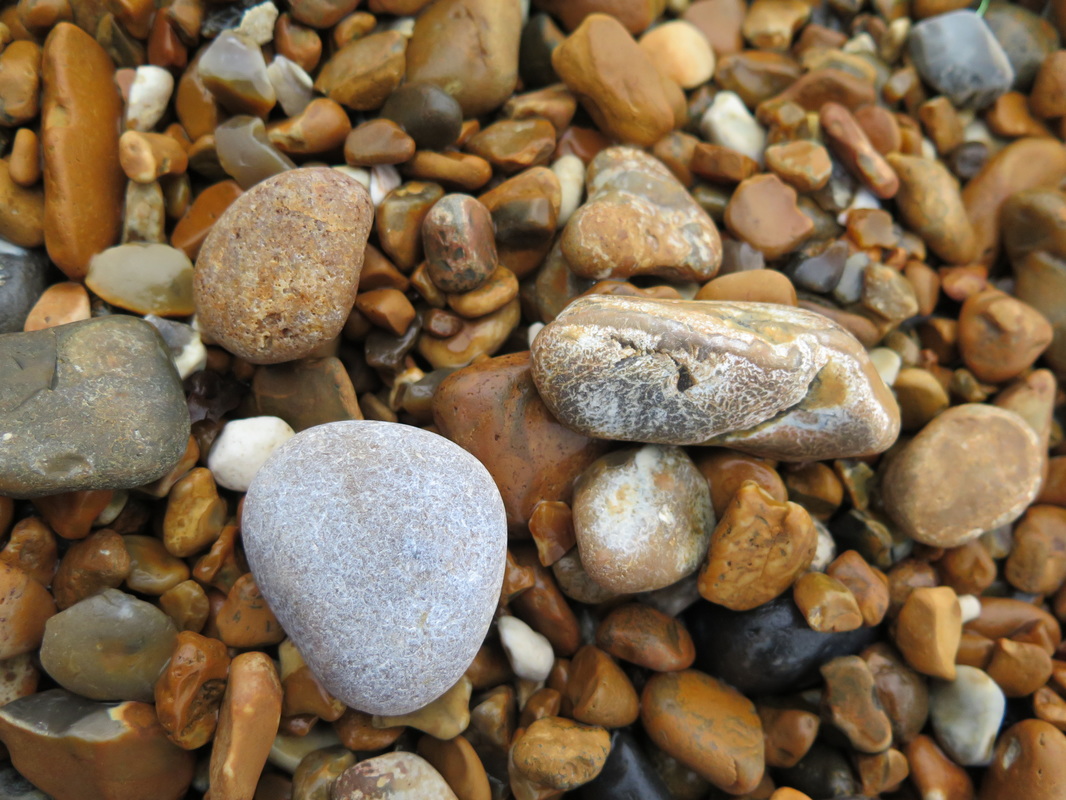
​'Exploring a waterway' took me down to a blustery Hastings beach where the contract between the grey skies and the colourful pebble beach are evident.
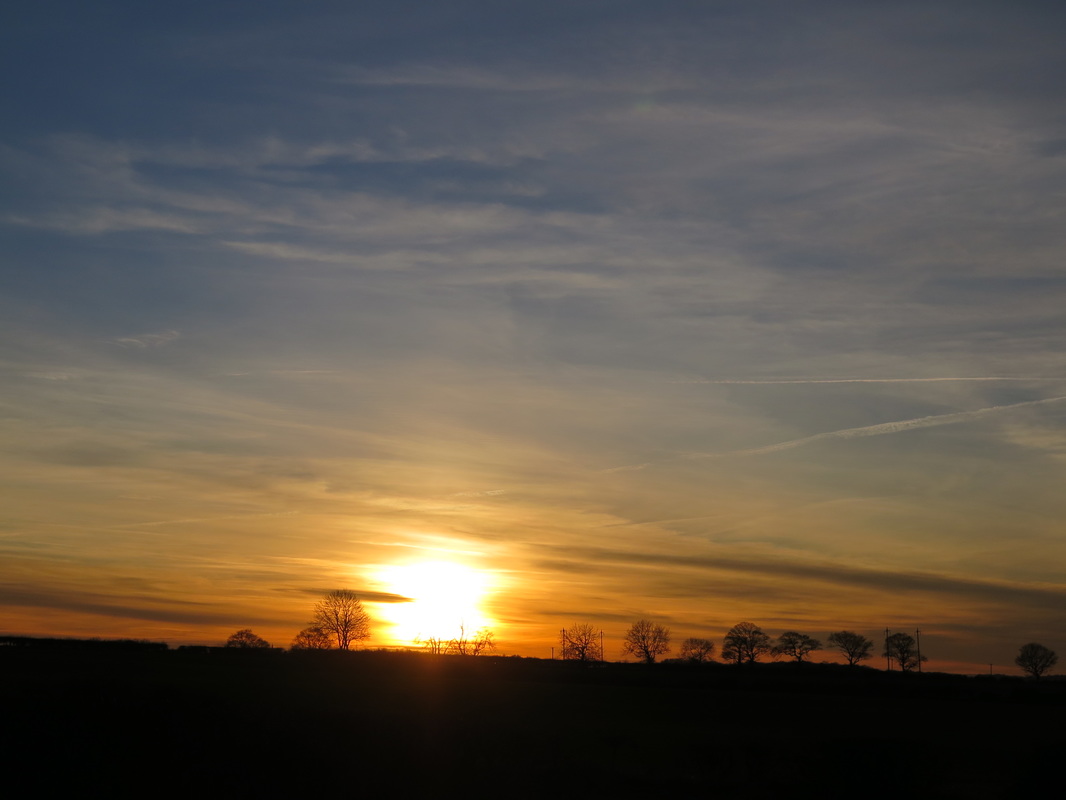
And finally, one of my last pictures of 2015 was of a sunset just outside the city of my birth, Newcastle Upon Tyne. This was one of only two days that was not shrouded in a blanket of grey clouds and rain!
​

Picture

​Roll on more new micro adventures in 2016!
0 Comments

"Whether the weather is warm, whether the weather is hot, we have to put up with the weather, whether we like it or not."

12/9/2015

0 Comments

 
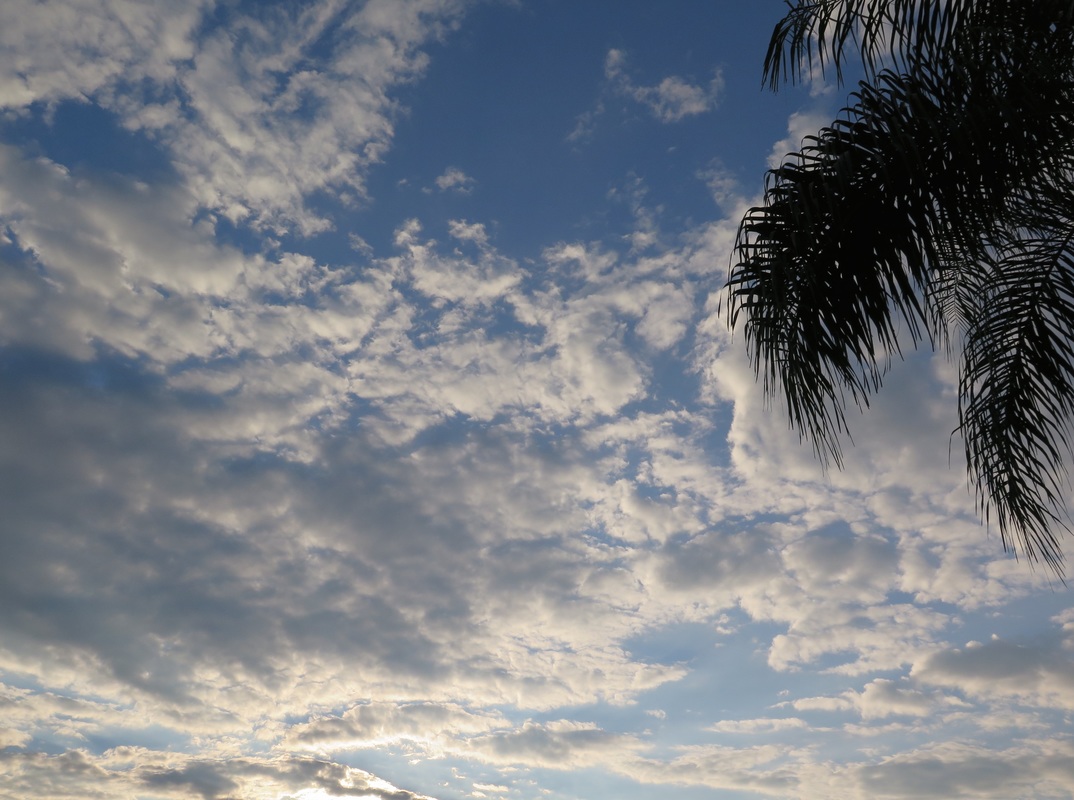
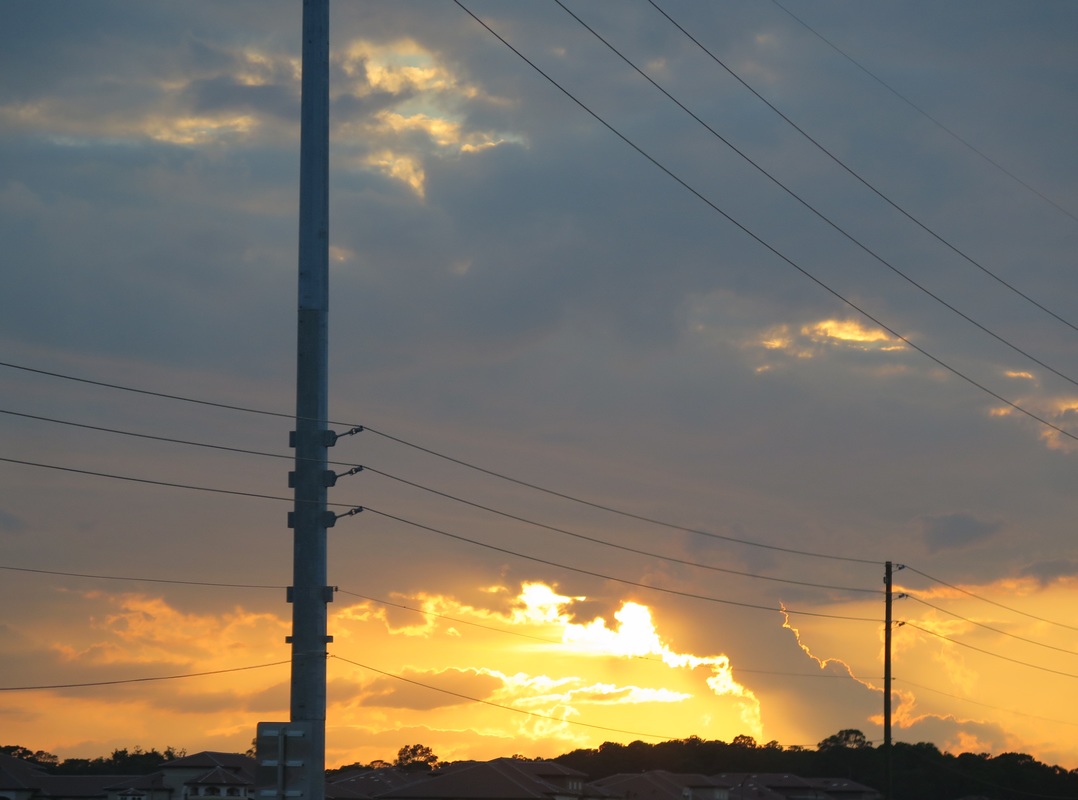
November was a busy month with travel between 3 continents. I thought that this would provide me with an opportunity to incorporate the November microadventure challenge of ' weather the weather'. Perhaps more of a macro than micro adventure in this case!

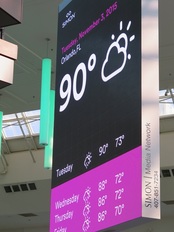
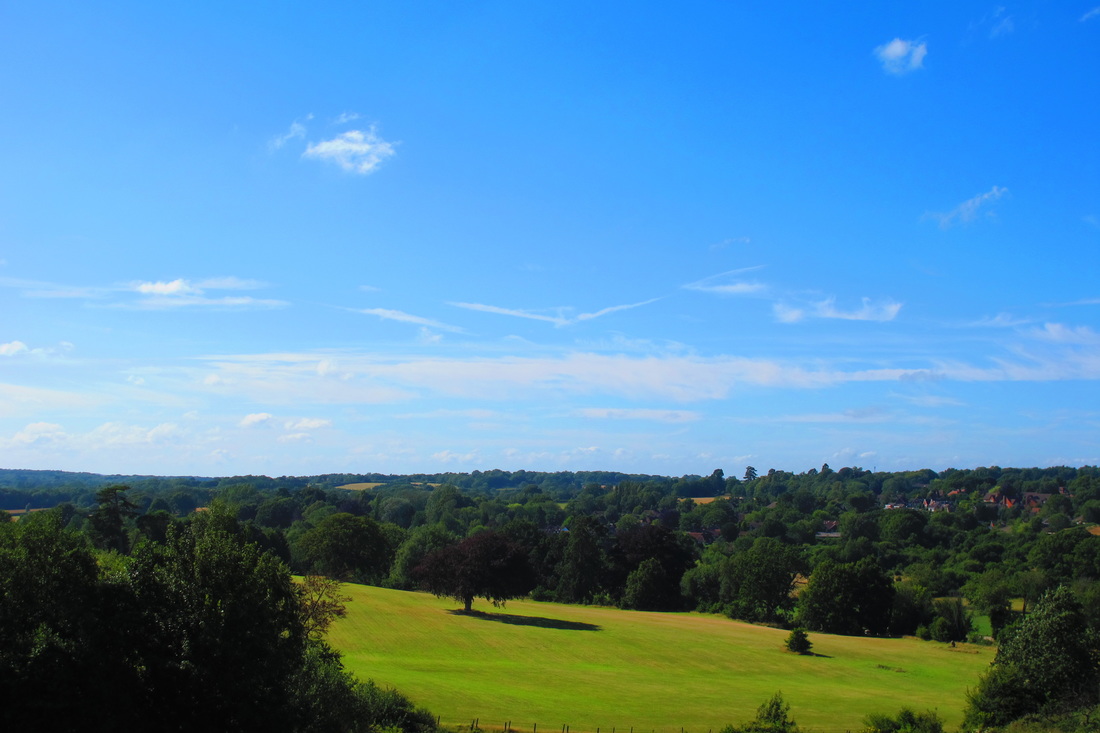
​My first trip took me to Orlando, Florida. The weather was unseasonably hot during my stay with highs of 90°F. I embraced the clear blue skies, sunshine and warmth as winter was embracing the UK.
Picture
Picture
Picture


I feel the temperature rising!

Picture
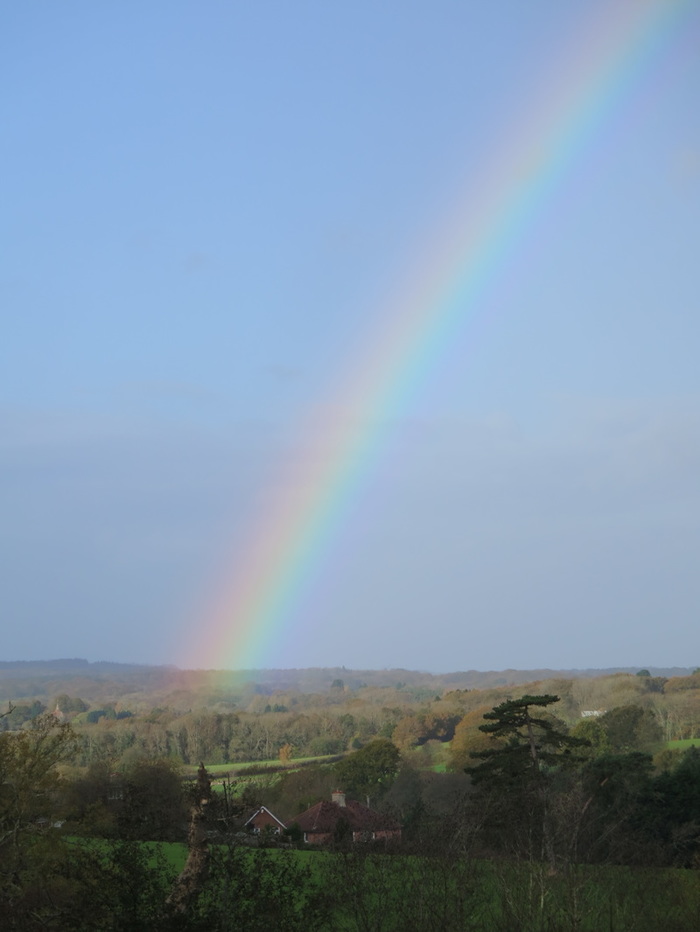
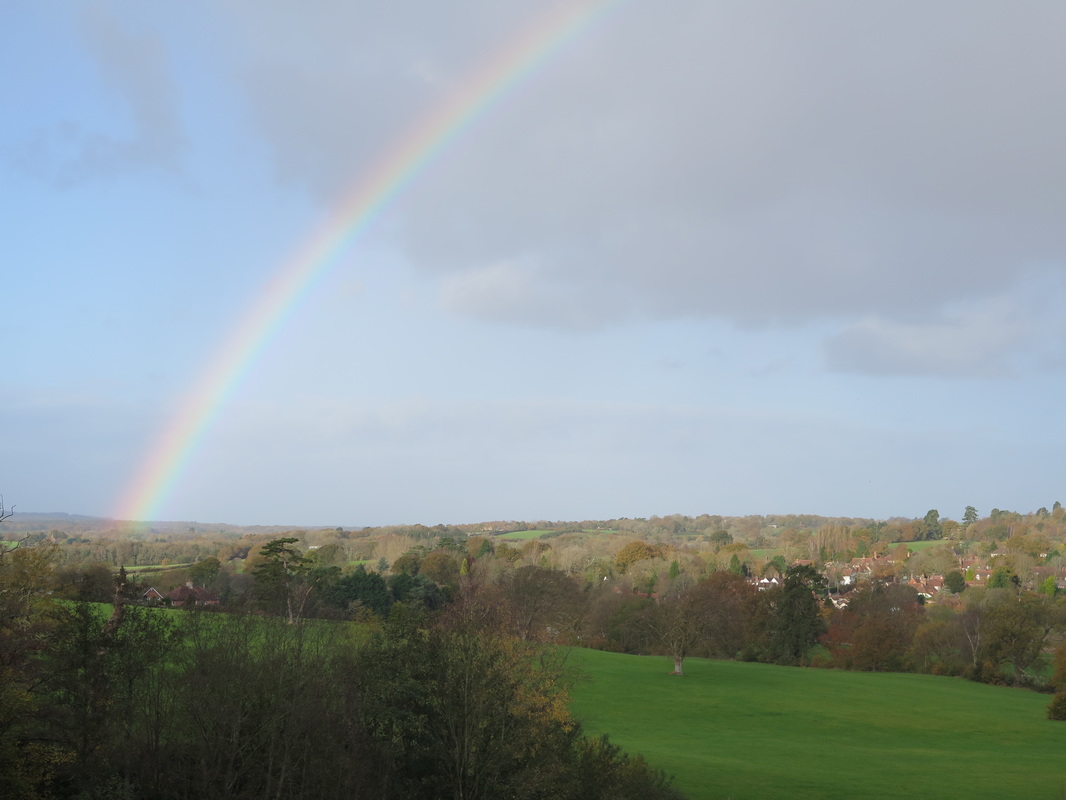
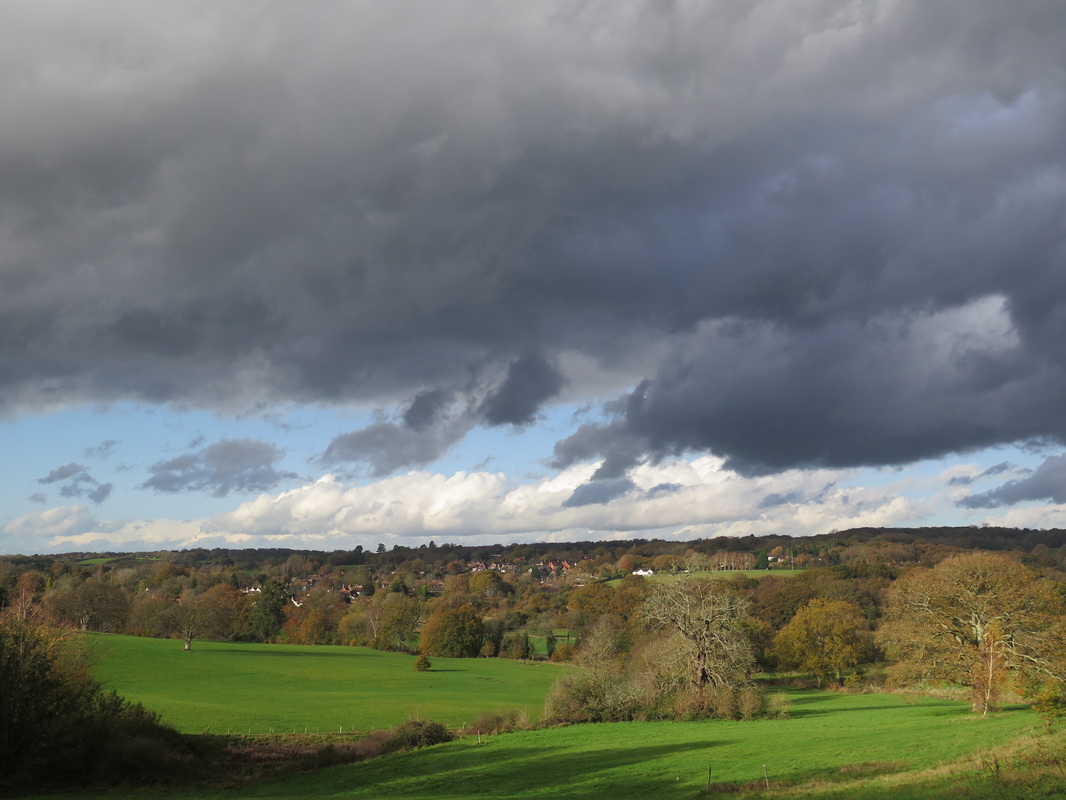
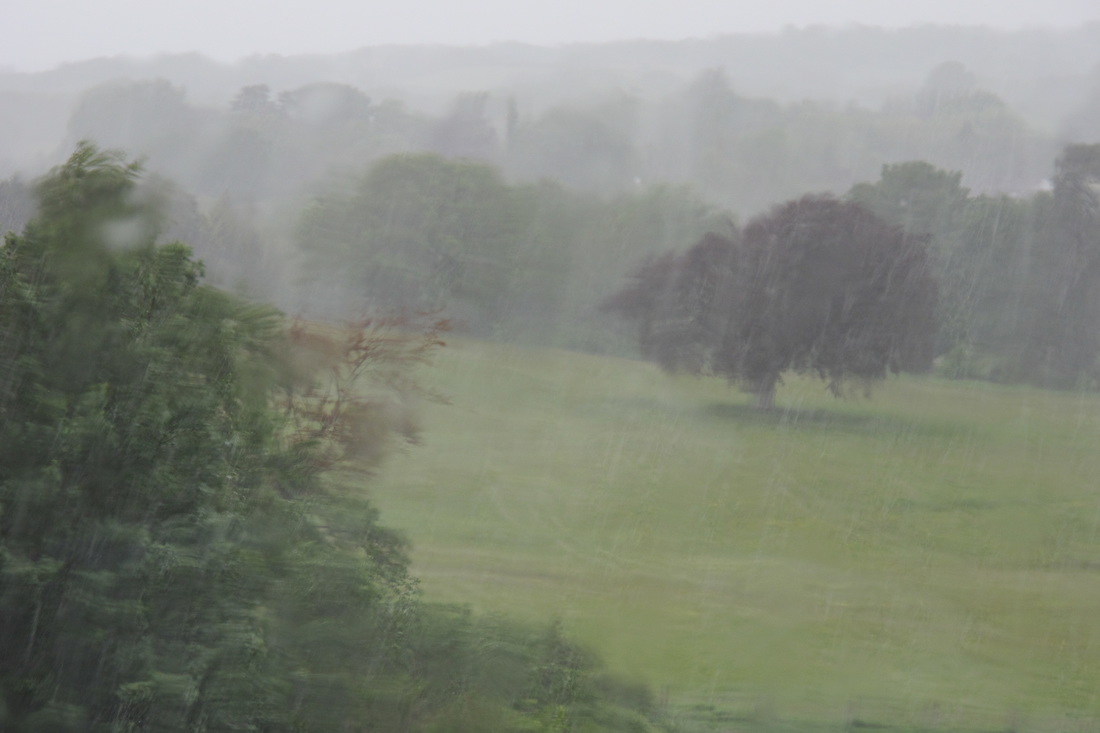
On my return to the UK I was greeted with a mixed bag of weather. We had a mix of bright sunny skies along with some dark and ominous rain clouds. There was even a rainbow to brighten a dull day in the office!
Picture
Picture
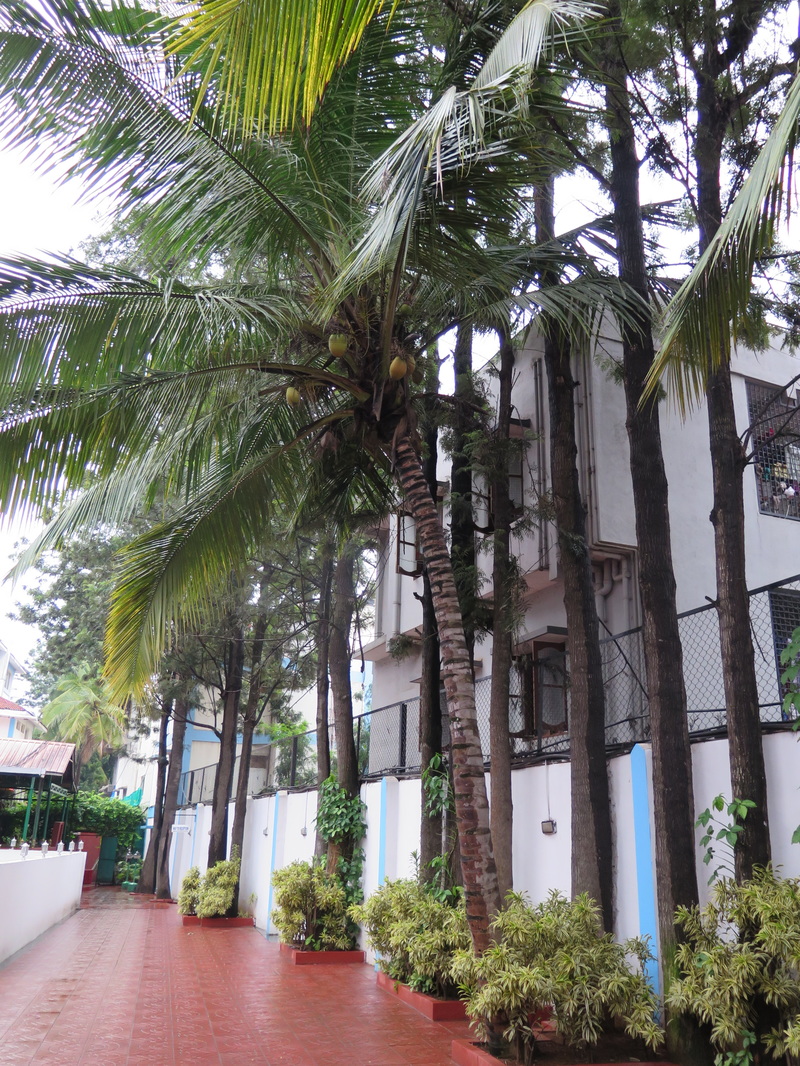
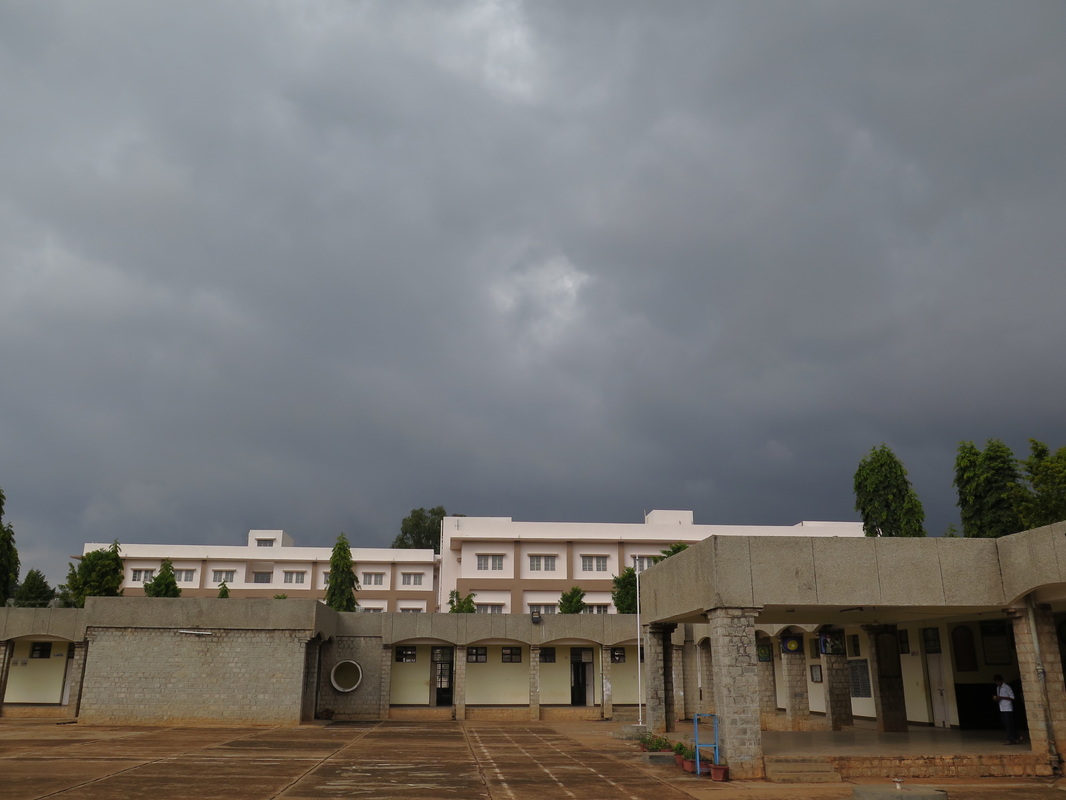
A week later, I was off on my travels again, this time to Bangalore in India. Being a work trip I didn't see much outside of the hotel room or the classroom where I was examining and interviewing potential scholarship students. 
​
A depression in the Bay of Bengal was responsible for the more UK-like weather of dull grey skies and rain, albeit the temperatures being somewhat higher than those back home.
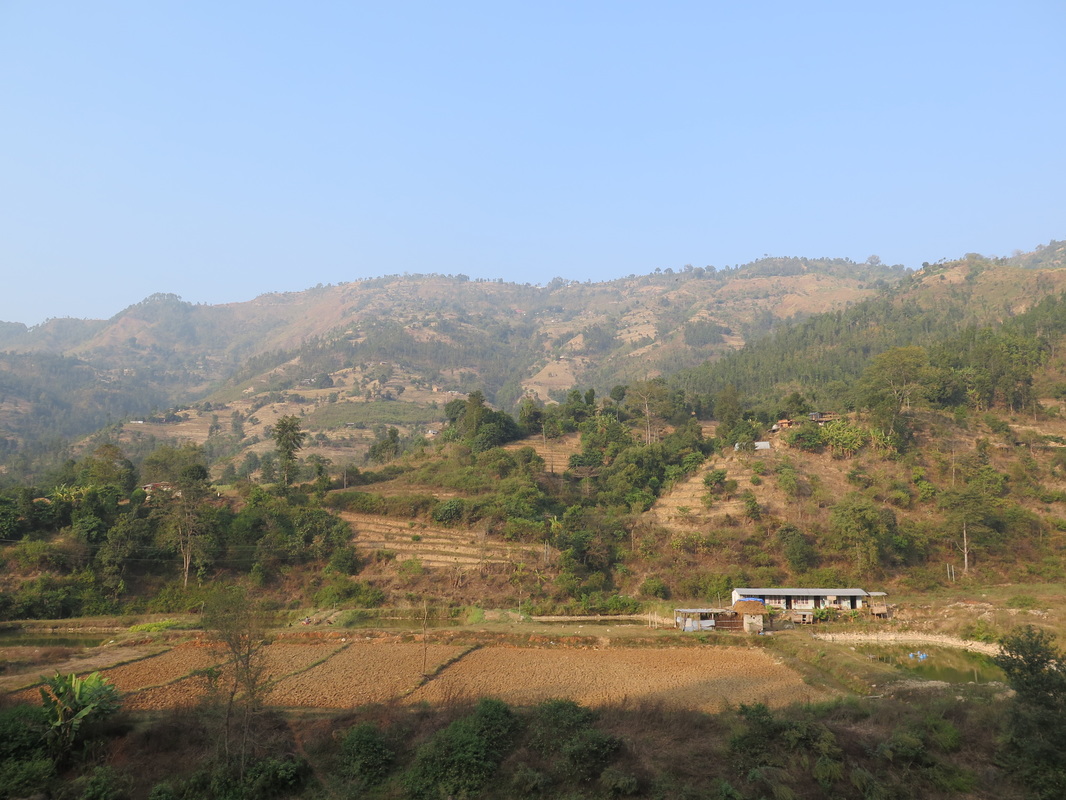
Five days later, I was on the move again, this time to the Himalayan kingdom of Nepal. While daytime temperatures are still quite warm in November once the sun drops it can become very chilly, especially as there is no heating in the houses! Sitting in the house in a jacket, hat and under a blanket was not unusual.
​
For quite a lot of the trip the skies were hazy but there were some glimmers of blue sky and sunshine
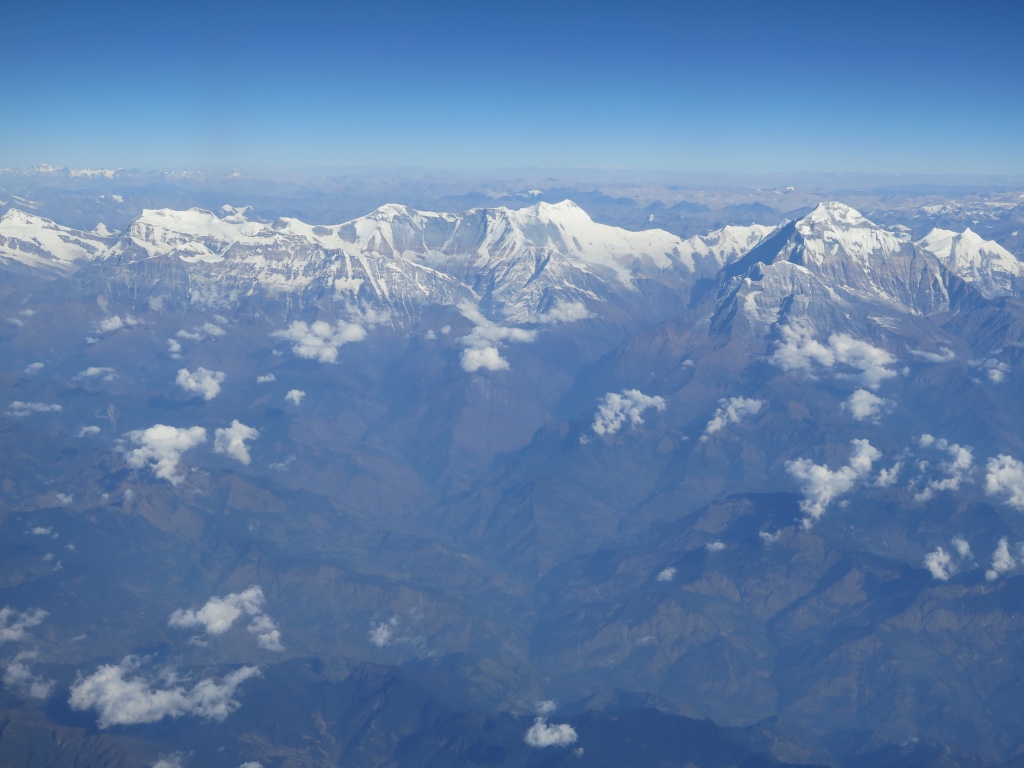
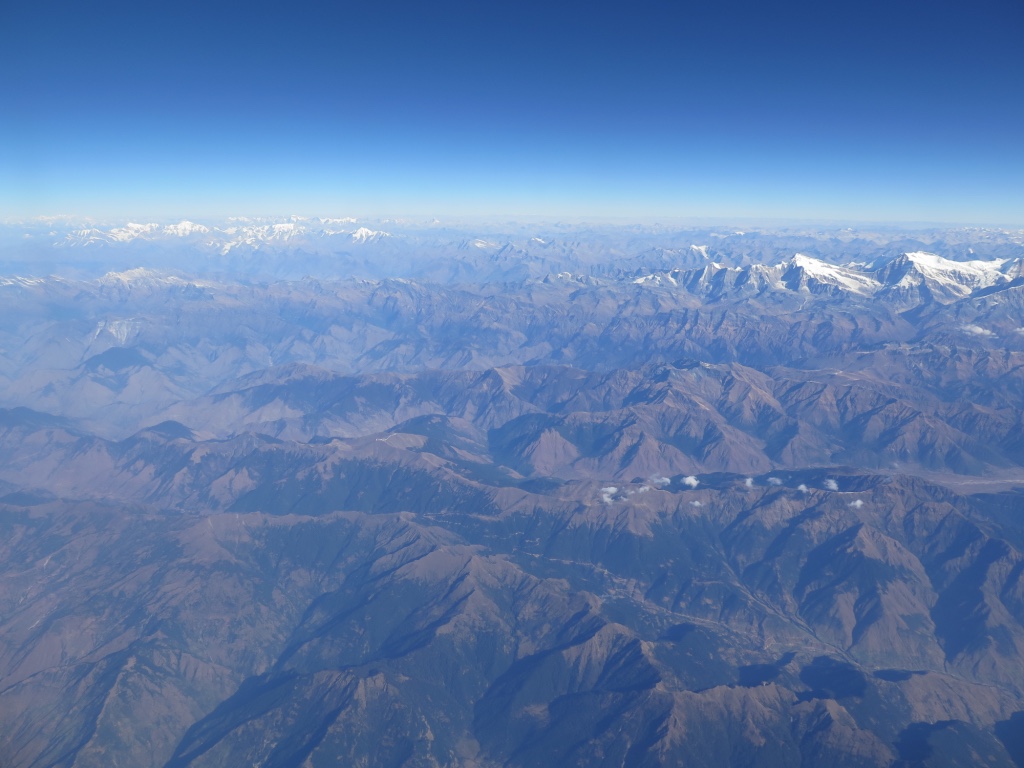
Nepal has 8 out of 10 of the highest mountains in the world, courtesy of the Himalayan range. A bit of useful knowledge gained from visiting the country many times is which side of the plane to sit on to gain an amazing view of the mountain range when flying into or out of Nepal.
​
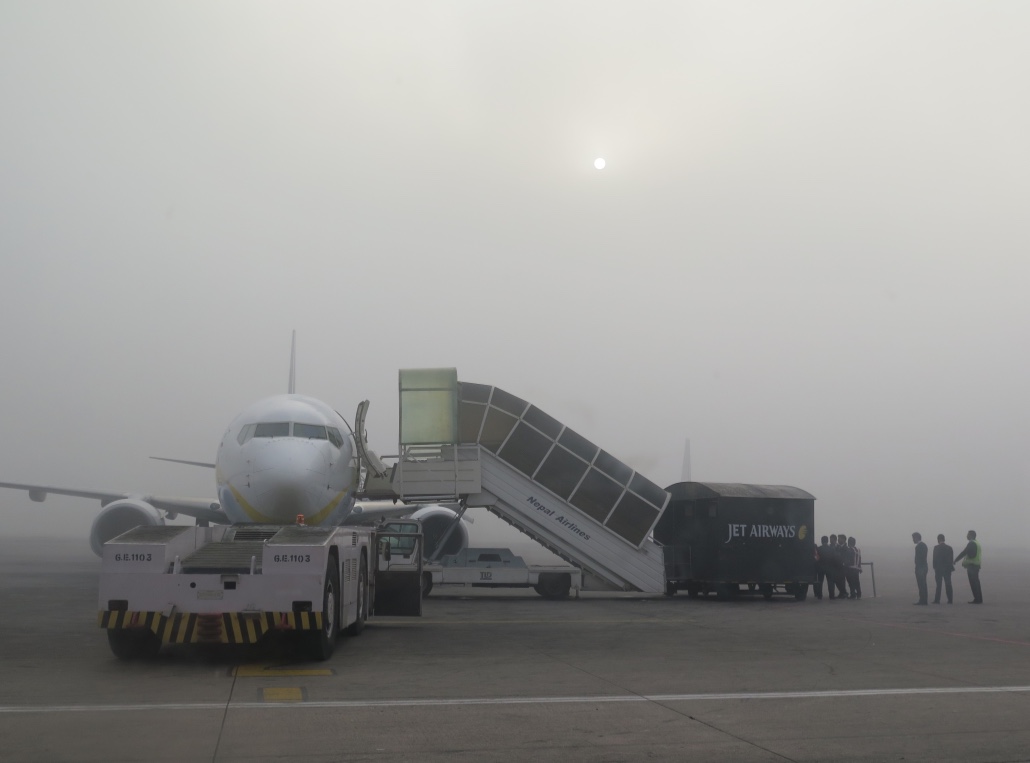
The foggy morning meant a late departure due to poor visibility, but once in the air and above the clouds the view of the monitions and the hillsides below was spectacular. From hazy sunshine to the snow capped peaks in a matter of minutes.

November had definitely been a month in which to experience weather in a wide range of locations!

Picture
0 Comments

Nyctophilia (n) An attraction to darkness or night; finding relaxation or comfort in the darkness. -An autumnal micro adventure exploring the darkness!!

11/10/2015

3 Comments

 
Autumn has arrived. Trees that only a few weeks ago were leafy and resplendent now stand naked and bare. That joyful indulgence of kicking my way way through the leafy carpet of crunchy golden leaves. At times I find myself spellbound by the rich reds and autumnal hues that surround me.

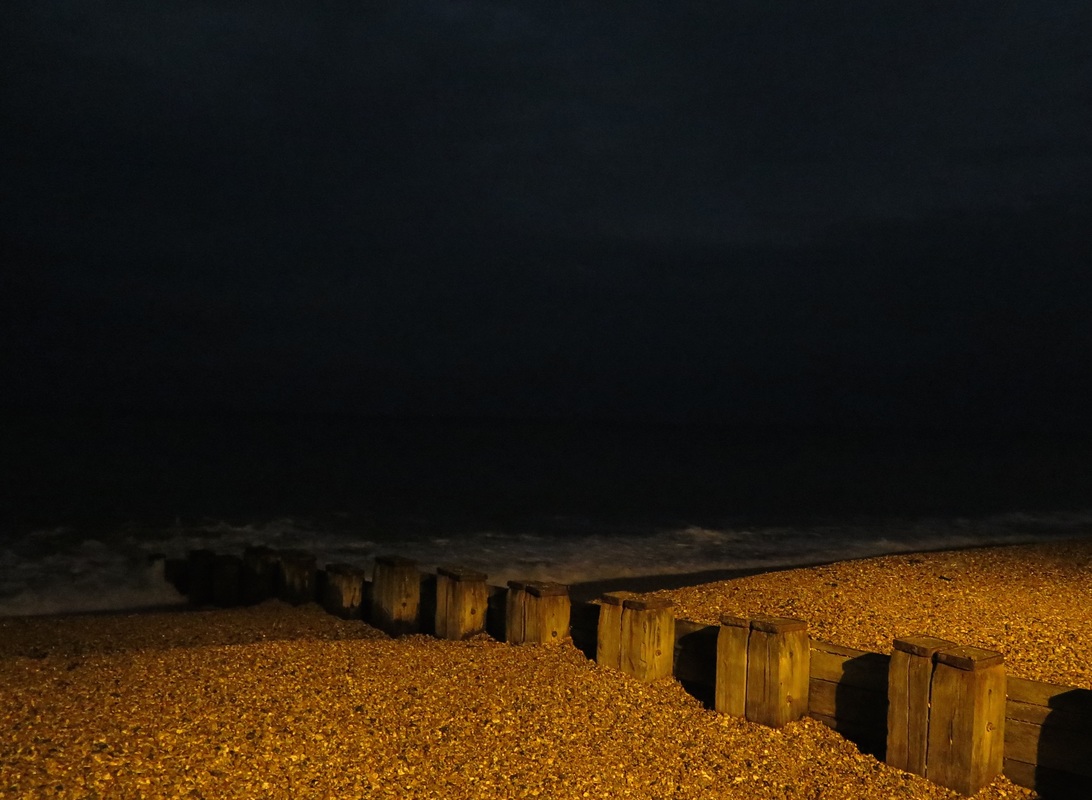
With the changing of the season we also experience the falling back of the clocks, so that darkness descends so much earlier as we creep slowly into winter. However, coming home in the darkness or taking a meander in the woods can be such a wonderful experience at this time of year. Those nights when the moon shines brightly overhead and the trees cast shadows across my pathway or the clear night skies in the countryside in which I live, where the lack of light pollution can make my appreciation of the star filled sky so much easier to enjoy.

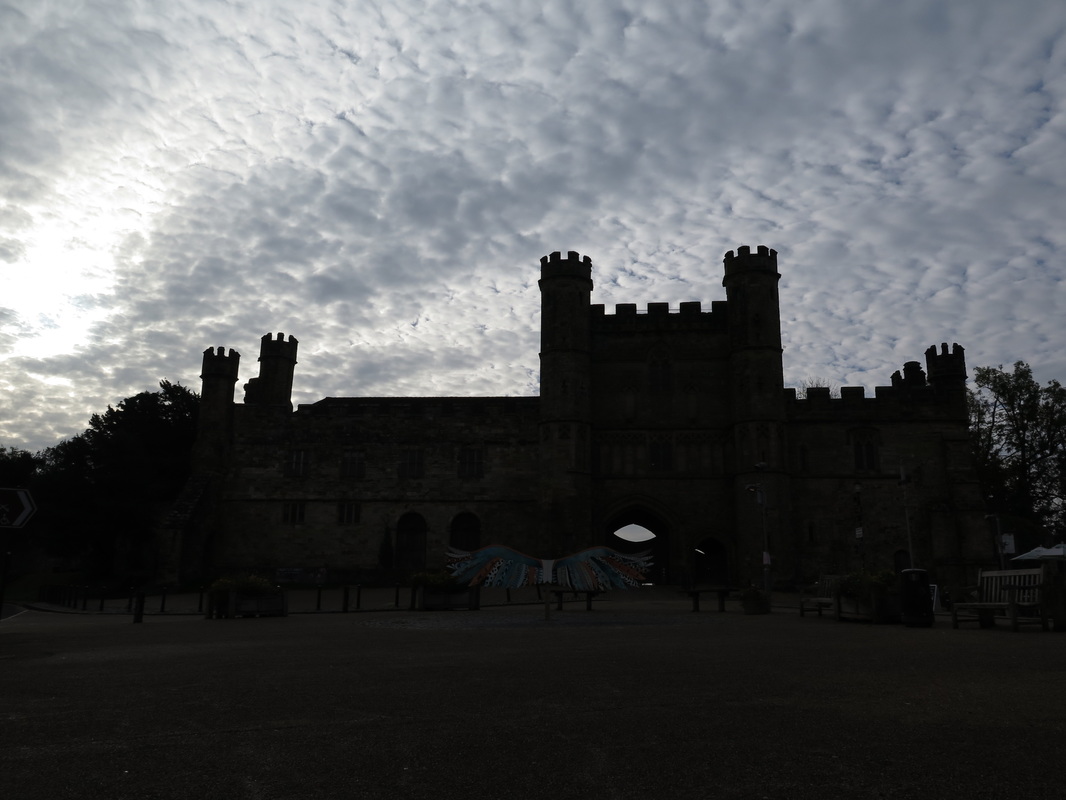
​Not quite darkness, but an early morning trip into Battle found the rising autumn sun creating these wonderful silhouettes of the abbey.
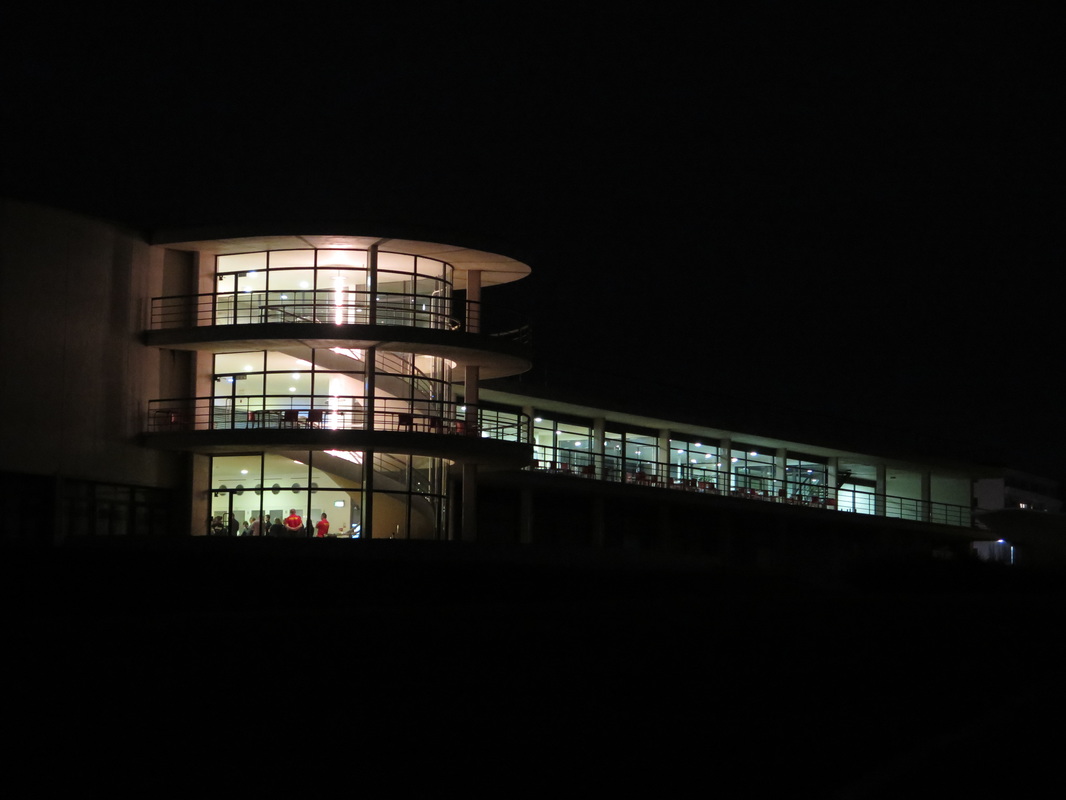
Another iconic local building is the De La Warr Pavilion, a local art gallery and concert venue. In October I went to see Nils Lofgren, he of the E Street Band fame, and took the opportunity to take a few pictures of the listed building and of the walk back along Bexhill seafront.
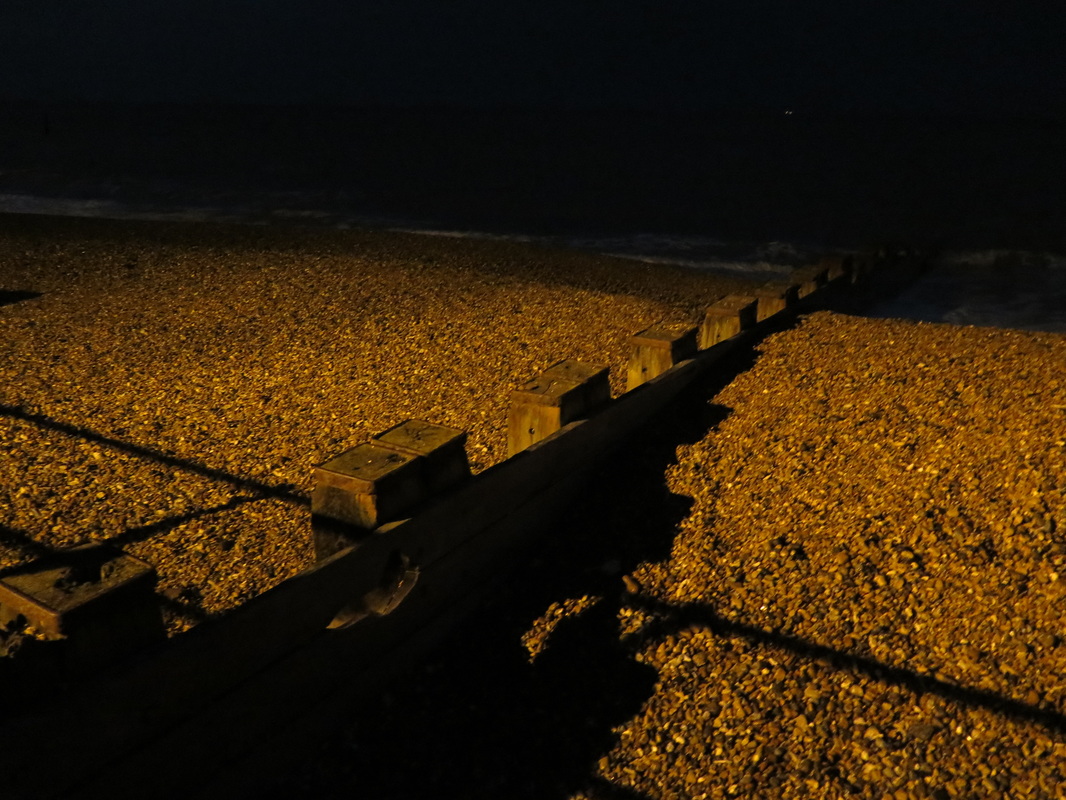
I love to sit and listen to the sound of the sea crashing on the shore and the shadows and orangey glow created by the street lighting made my walk feel more atmospheric.
Picture


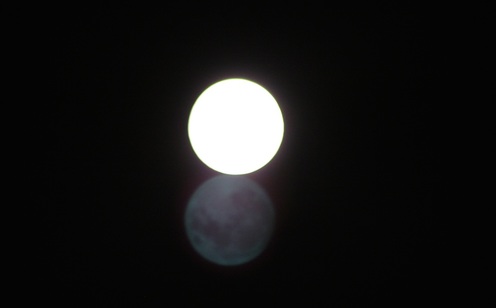
Which report on exploring the darkness could fail to include at least one moon shot! My DSLR created an odd reflection of the moon.

Picture


And to round off 'exploring the darkness' a sneaky treat of dark delight in the form of some yummy Swiss chocolate! Enjoy!

3 Comments

'There is never one sunrise the same or one sunset the same'- Carlos Santana

9/30/2015

1 Comment

 
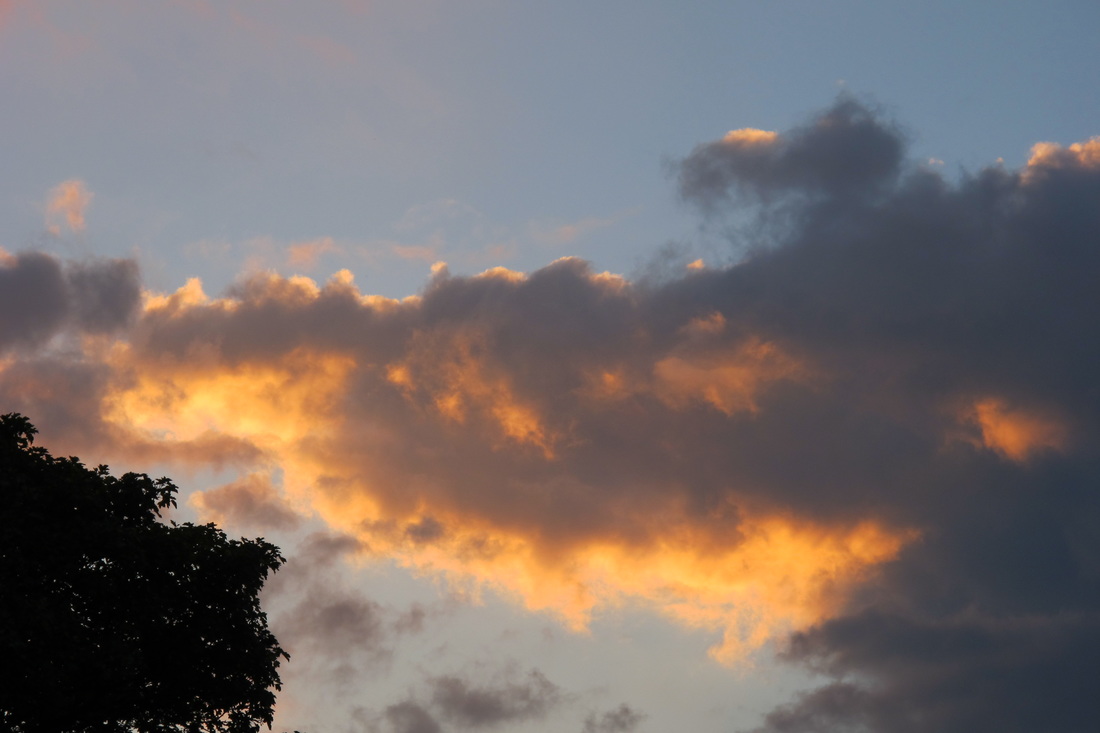
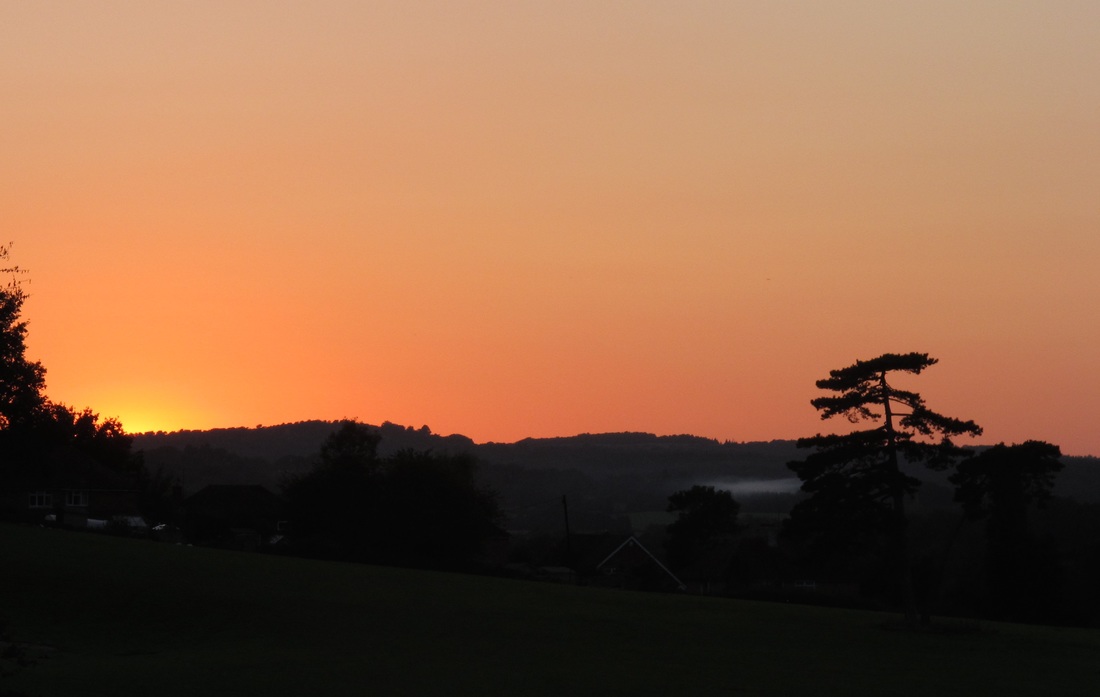
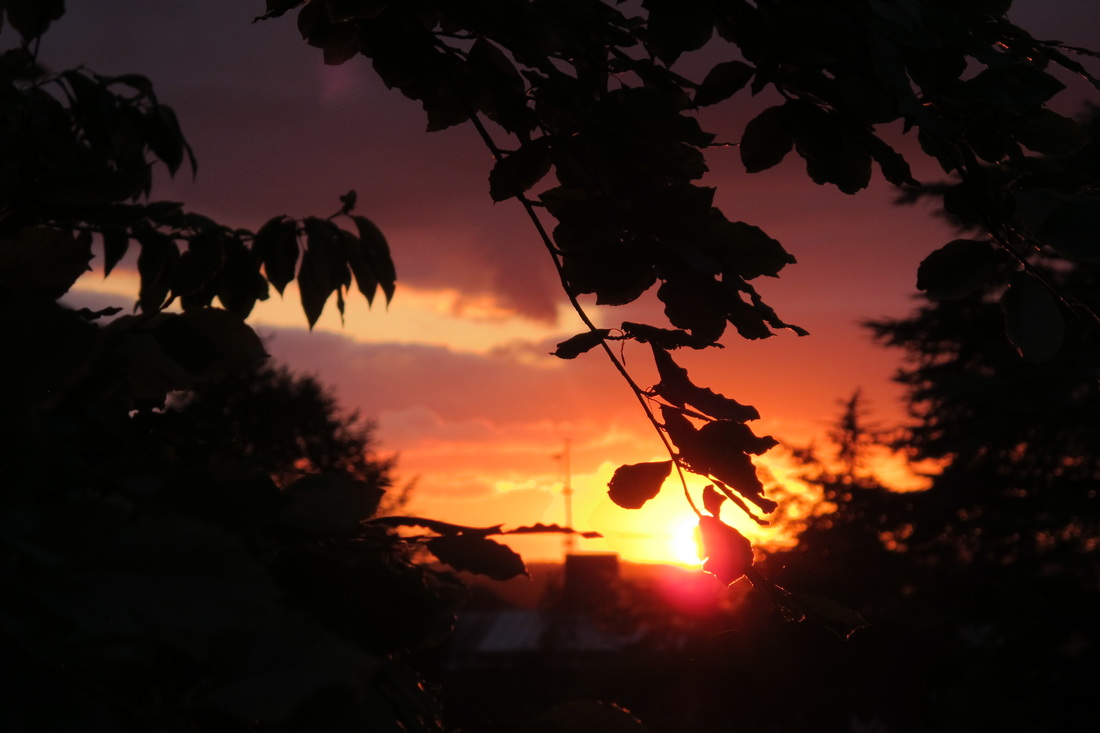
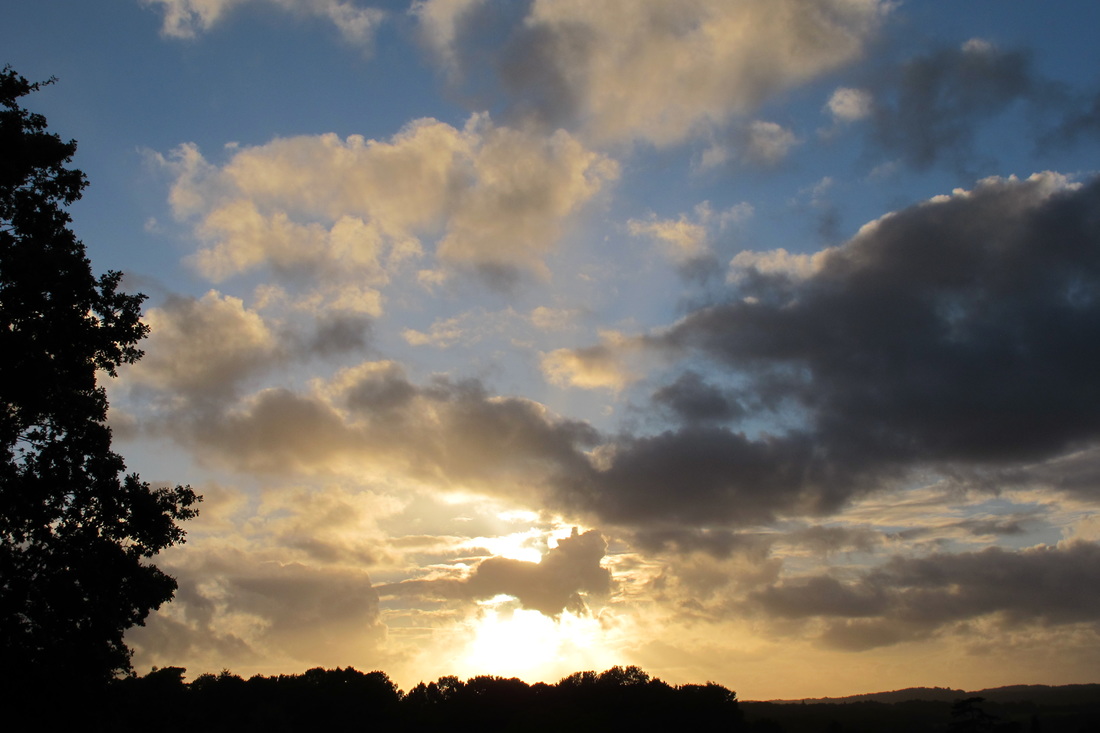
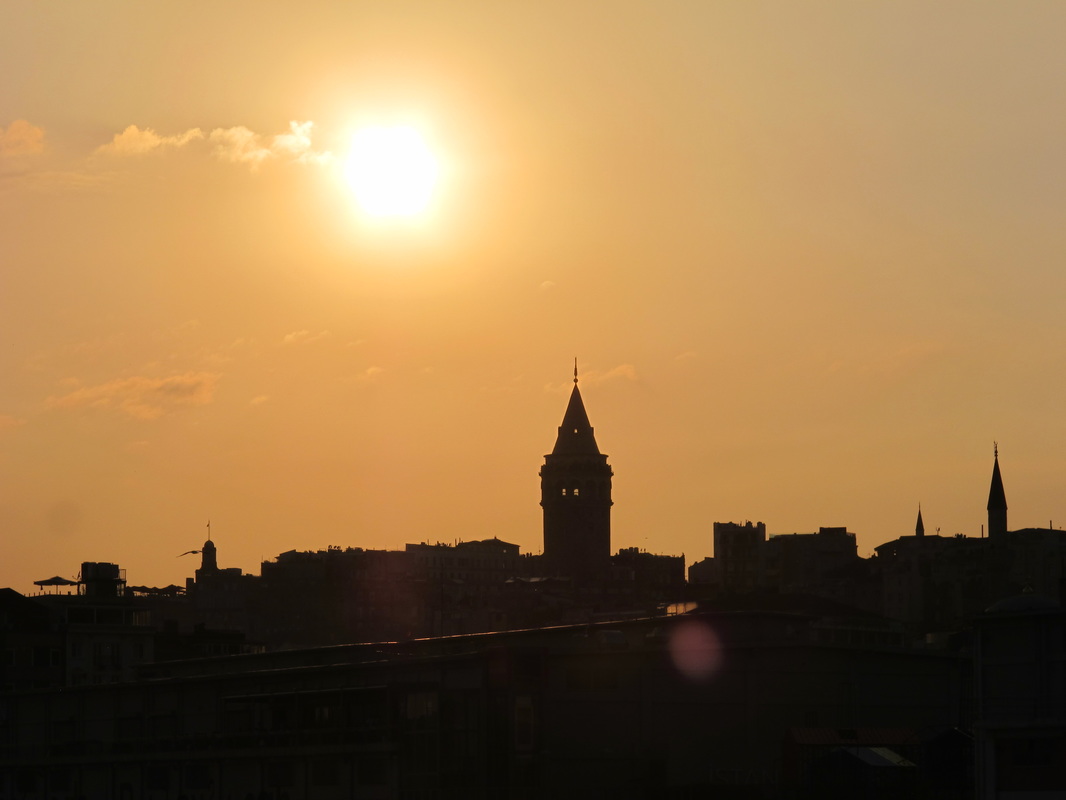
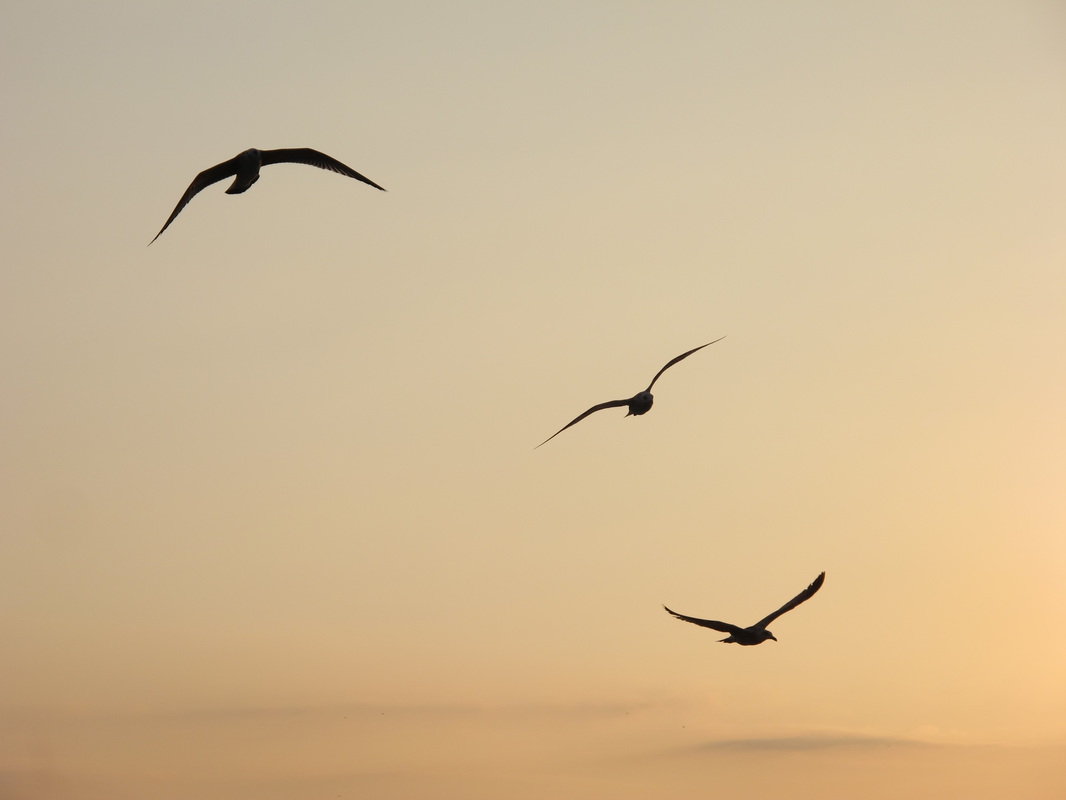
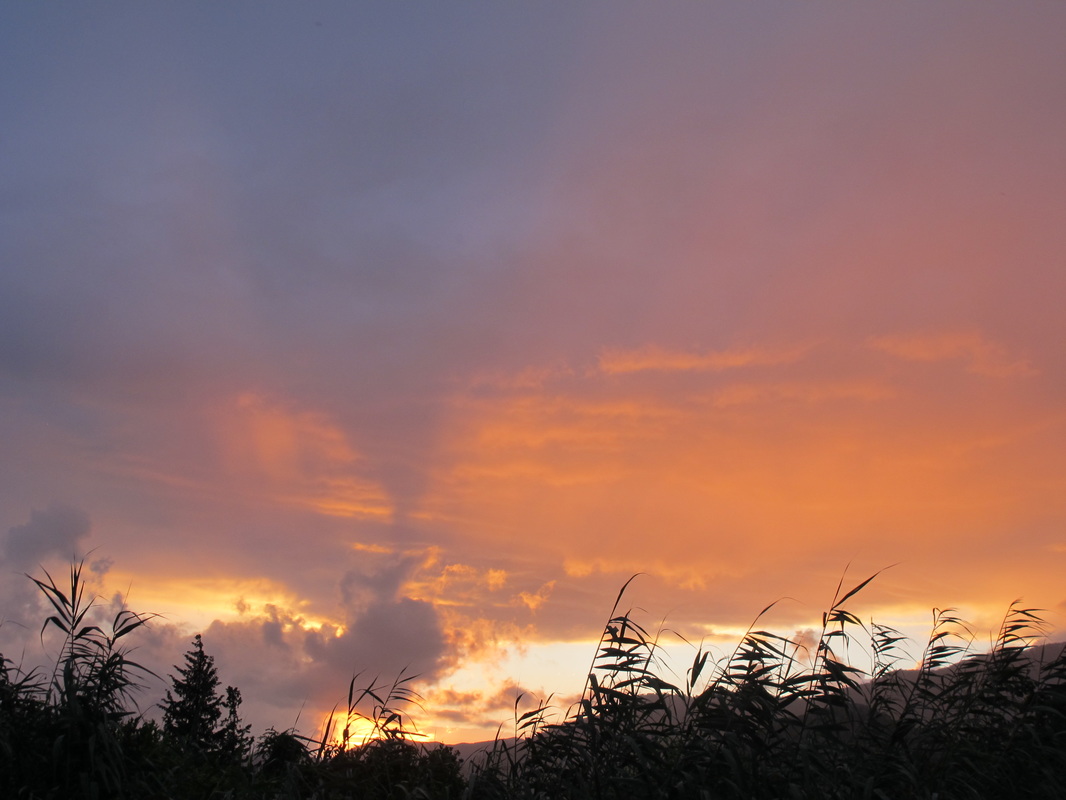
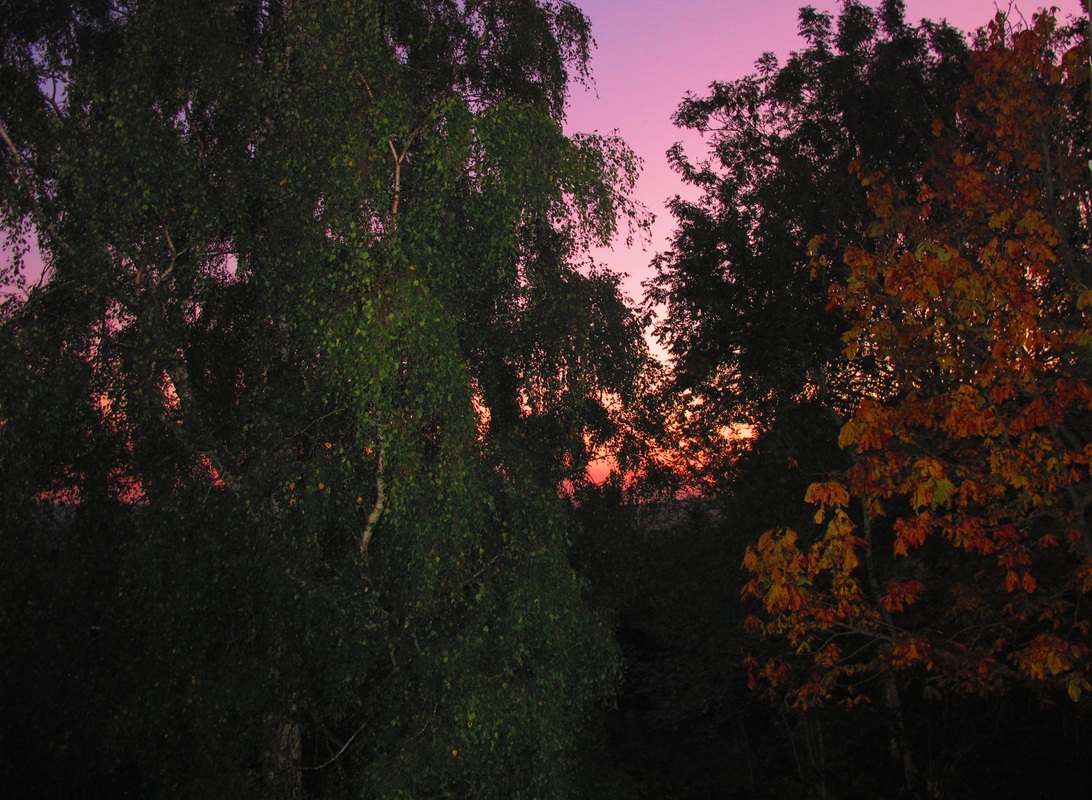
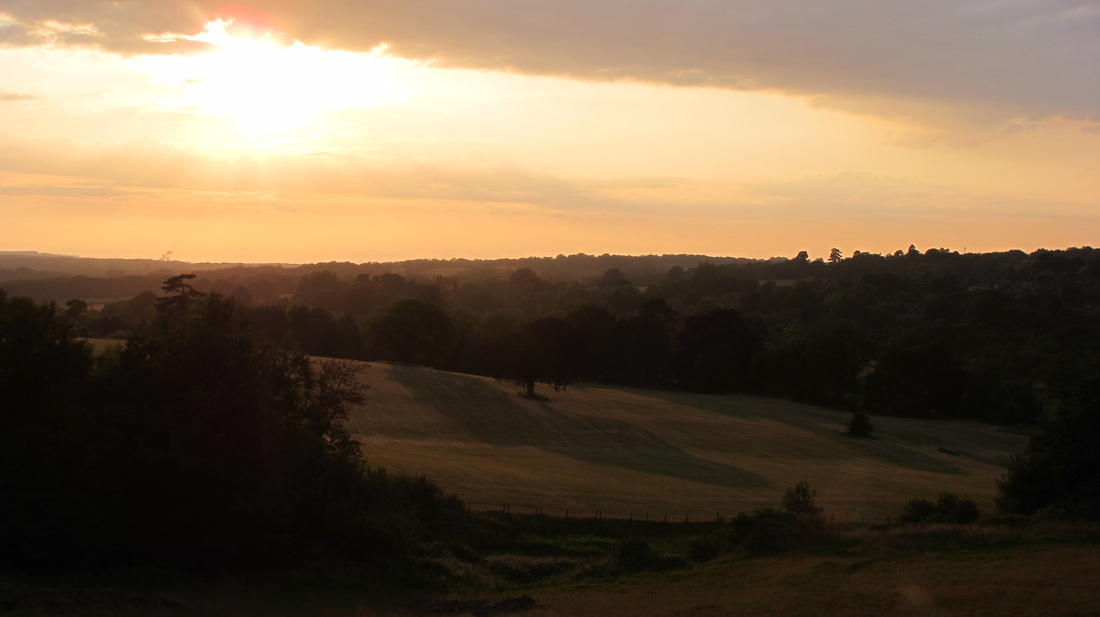
The micro adventure for September was set! Capture or experience a sunrise and/or a sunset. There are moments when I am a morning person but more often than not I find myself sparing a few moments to take in the sunsets at the end of the day.

I am going to let the pictures do the talking for this task. Enjoy!
Picture
1 September, Sedlescombe, East Sussex
Picture
6 September, Sedlescombe, East Sussex
Picture
7 September, Sedlescombe, East Sussex
Picture
14 September, Sedlescombe, East Sussex
Picture
20 September, Istanbul
Picture
20 September, Istanbul
Picture
20 September, Istanbul
Picture
20 September, Birds on the Bosphorus
Picture
I actually woke up early today to catch a glimpse of the sunrise!
Picture
30 September, sunrise over Sedlescombe, East Sussex
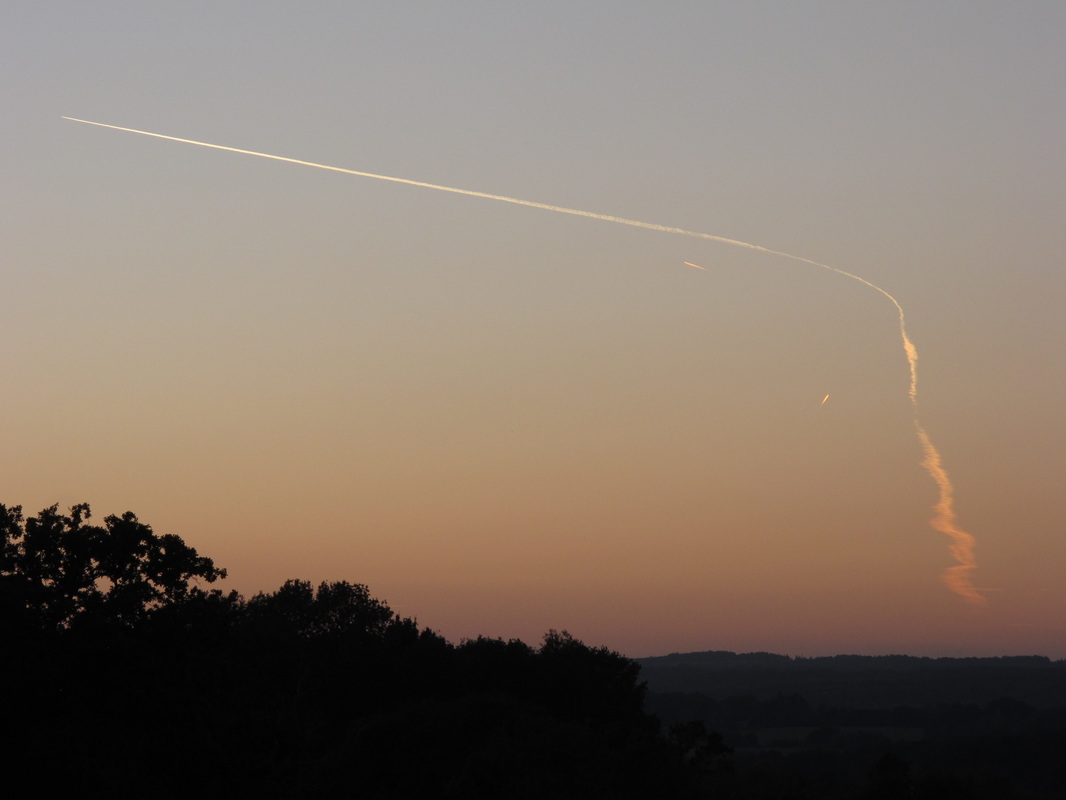
Then I captured these wonderful aeroplane trails in the sunset sky on the last day of the month.
Picture
30 September, aeroplane vapour trails, East Sussex
1 Comment

Explore a border - a broad interpretation of the August micro adventure theme!

9/4/2015

0 Comments

 
For many, summer is a time to escape and do a bit of exploring further afield, perhaps crossing geographical, national or international borders. I pretty much knew that a lot of my summer would be spent office bound trying to help students obtain their visas to cross their country borders and making it possible for them to enter the UK.
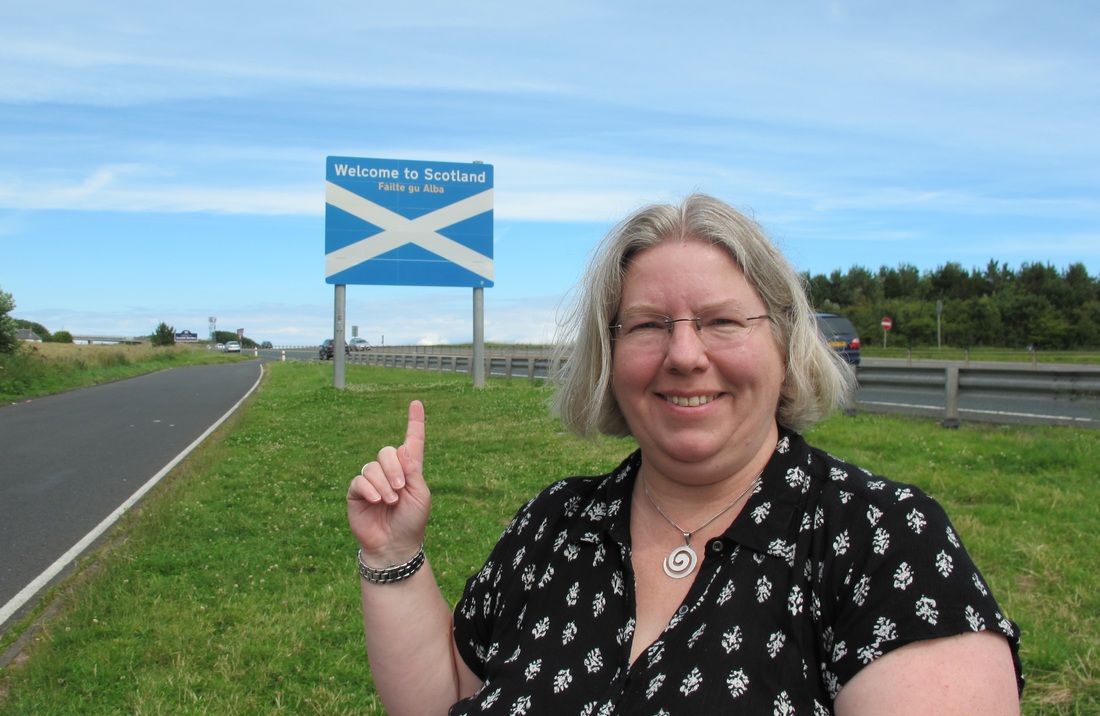
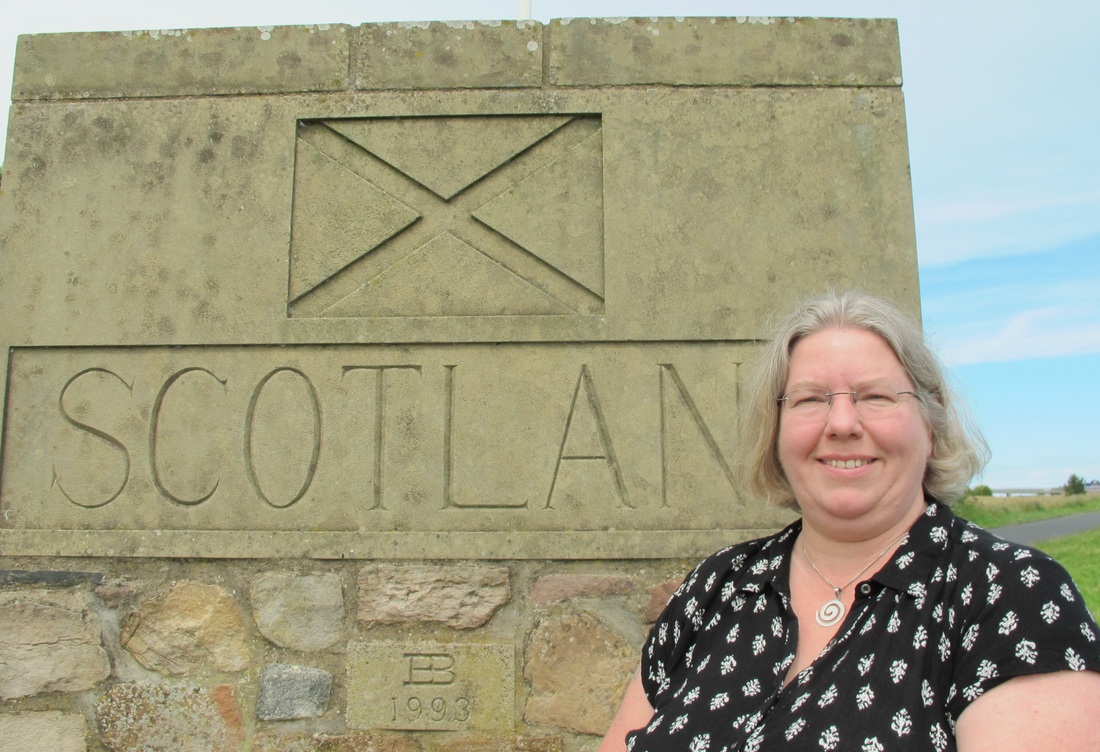
When I read the August microadventure task of exploring a border I knew that I had missed a trick! During the last week in July I had been to visit family 'up North' and had actually taken the time to drive over the border to Scotland! Alas, I knew Jonathan would not allow this sneaky submission but what the heck, it was a great photo opportunity so I have added a couple of pictures anyway!
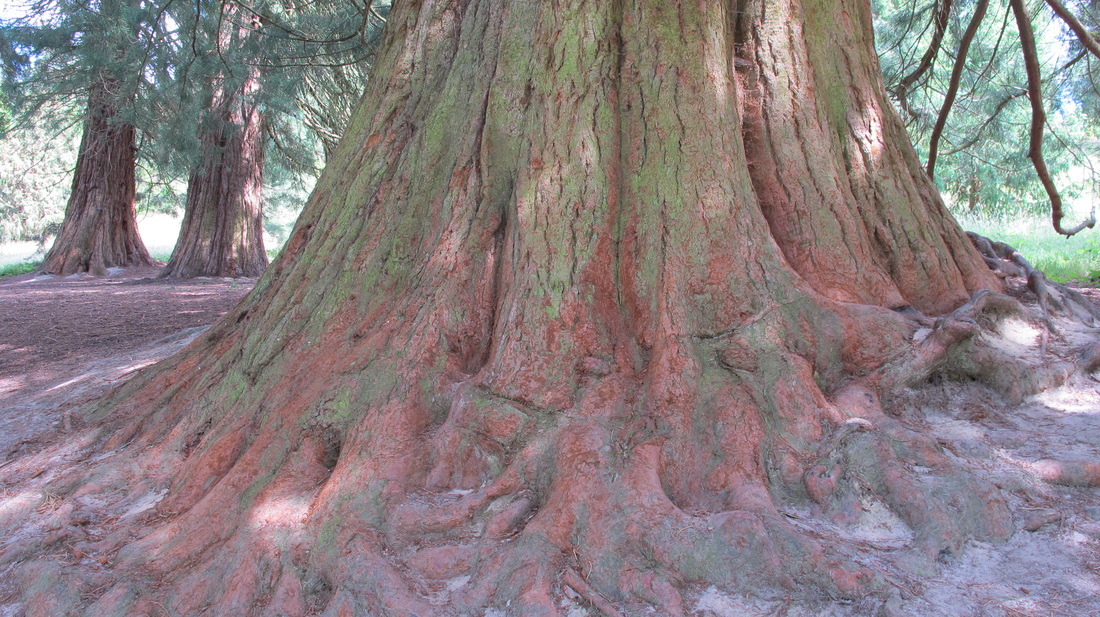
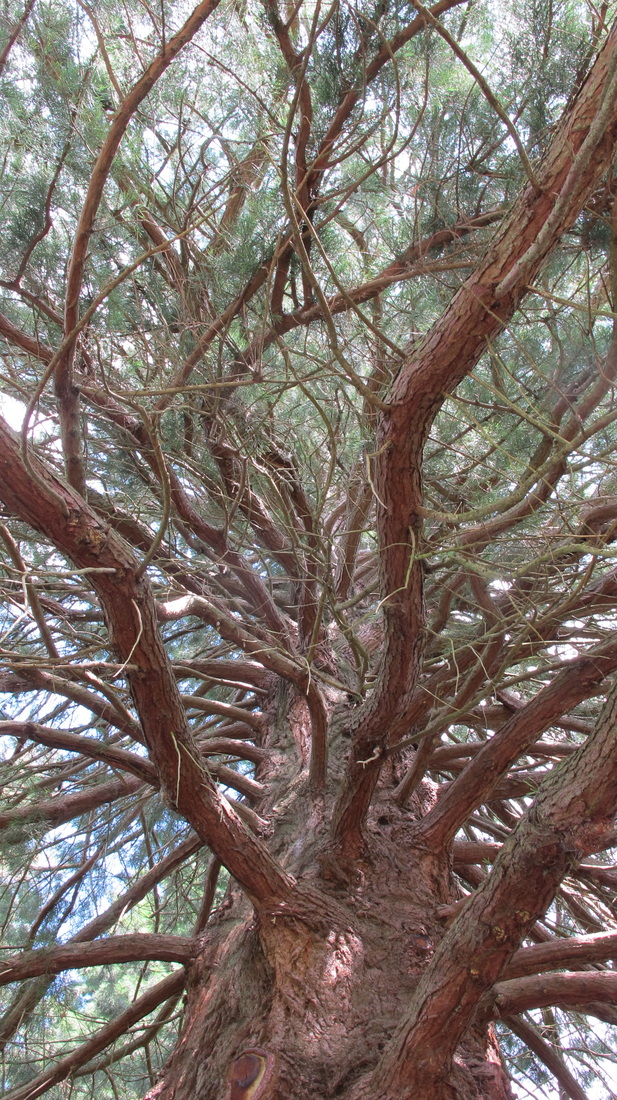
I was inspired by the broad interpretation of July's theme 'time with trees' by some of the micro adventure participants and thought that I would see how I could interpret the 'border' theme.


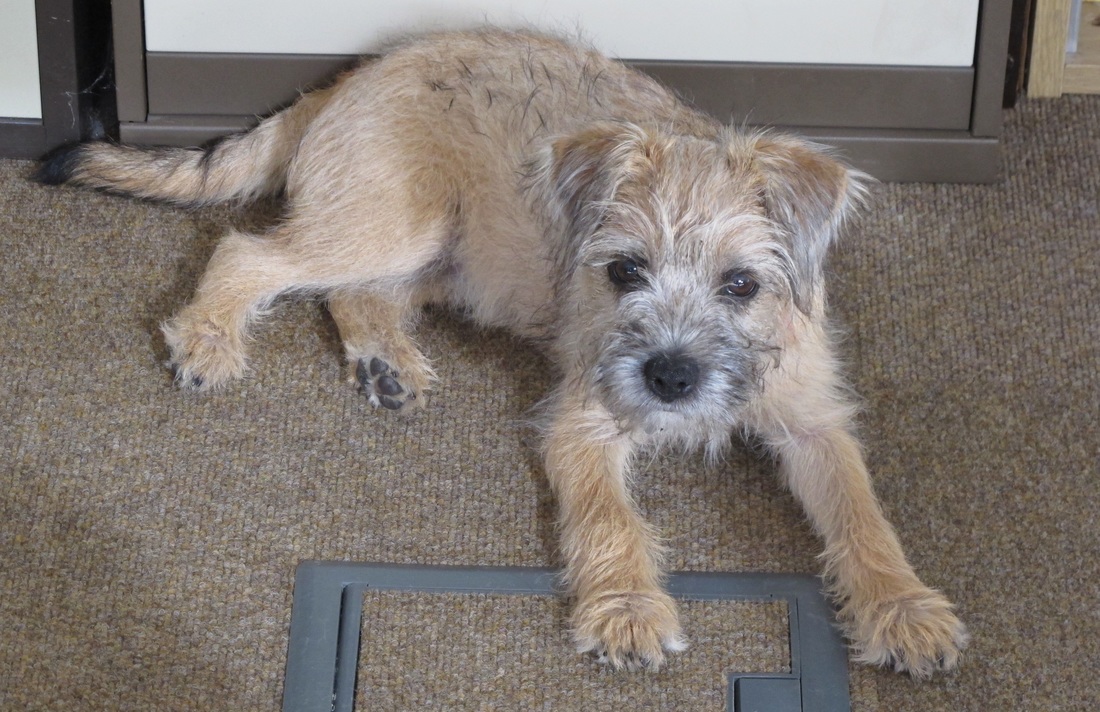
So my first border is a border terrier dog. Meet Nora! Originally the Border Terrier was known as the Coquetdale or Redesdale Terrier after the area in which it evolved, but by the late 1800's it was generally known as the Border Terrier, probably because of its long history with the Border Hunt in Northumberland.
 
Picture
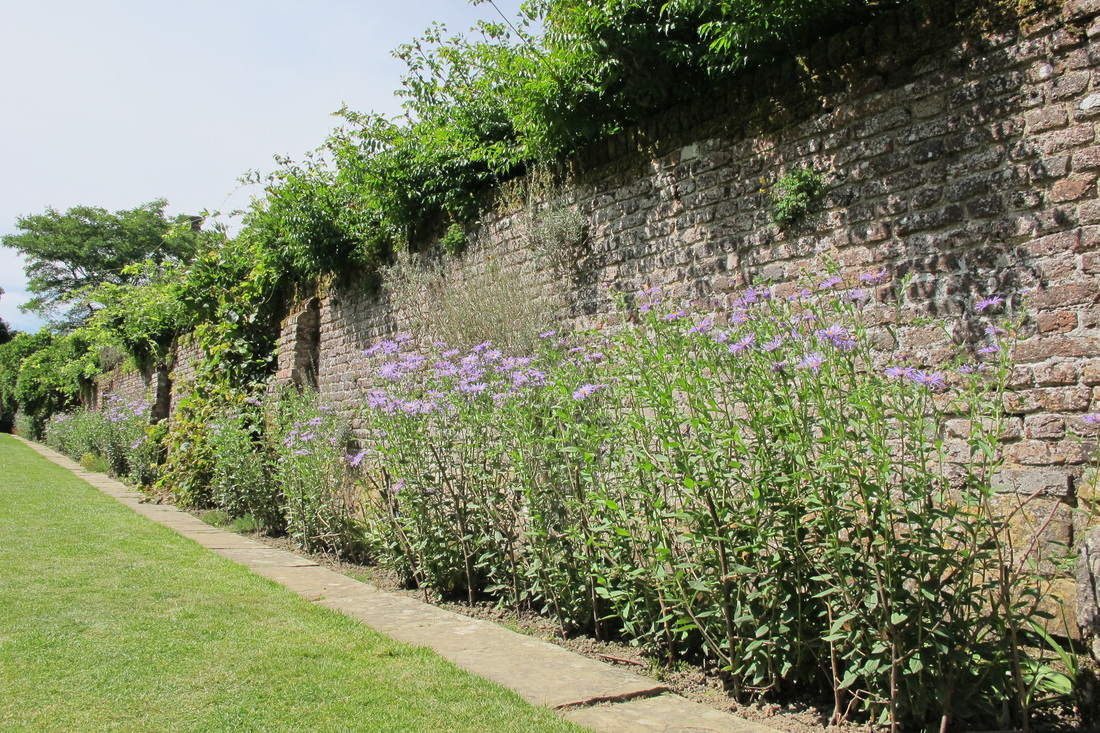
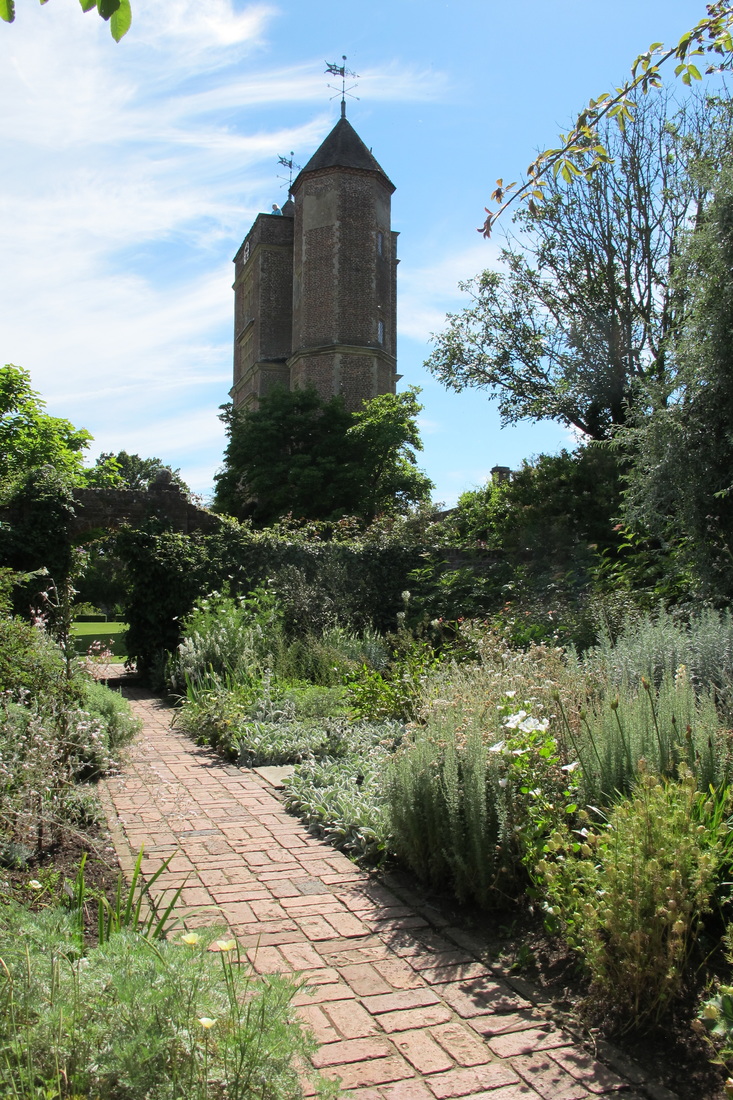
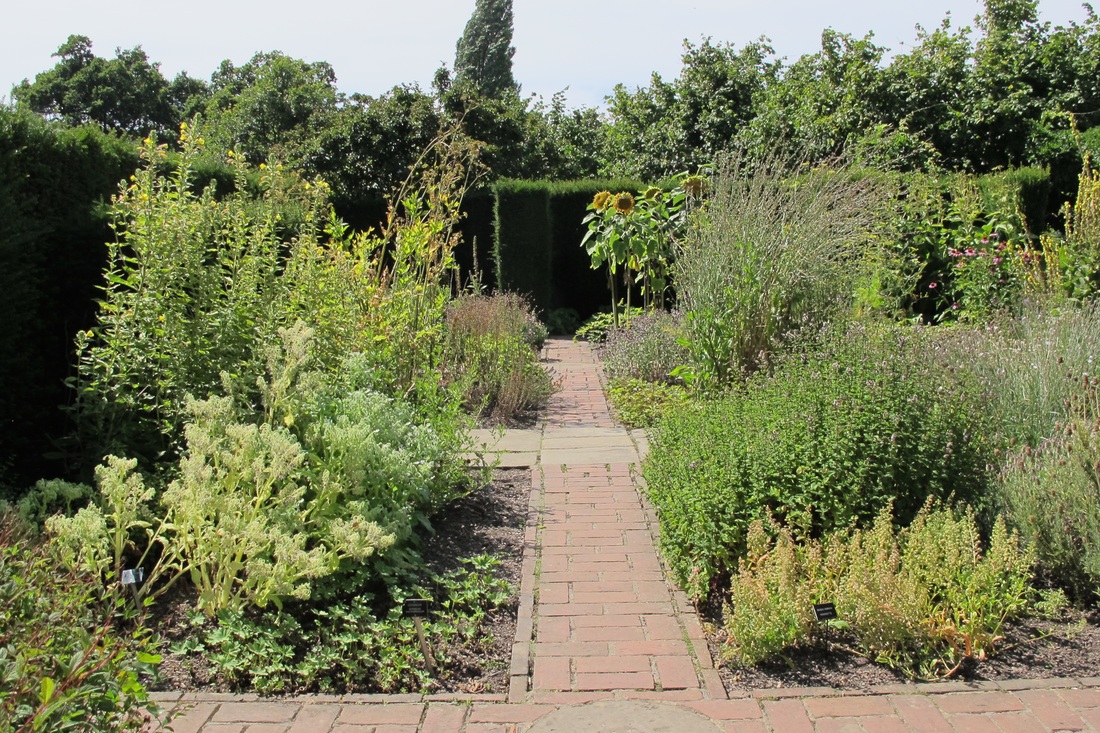
The month of August was not all about rain, despite it feeling that way at times. On a glorious sunny day I ventured over the border from East Sussex and into Kent to visit Sissinghurst Castle Garden, which was created in the 1930's by Vita Sackville-West and her husband Harold Nicolson. It is now owned by the National Trust. Sissinghurst has a variety of garden areas including the white garden, formal garden and cottage garden. So my next borders are the flower bed borders at Sissinghurst and their myriad of plant varieties.
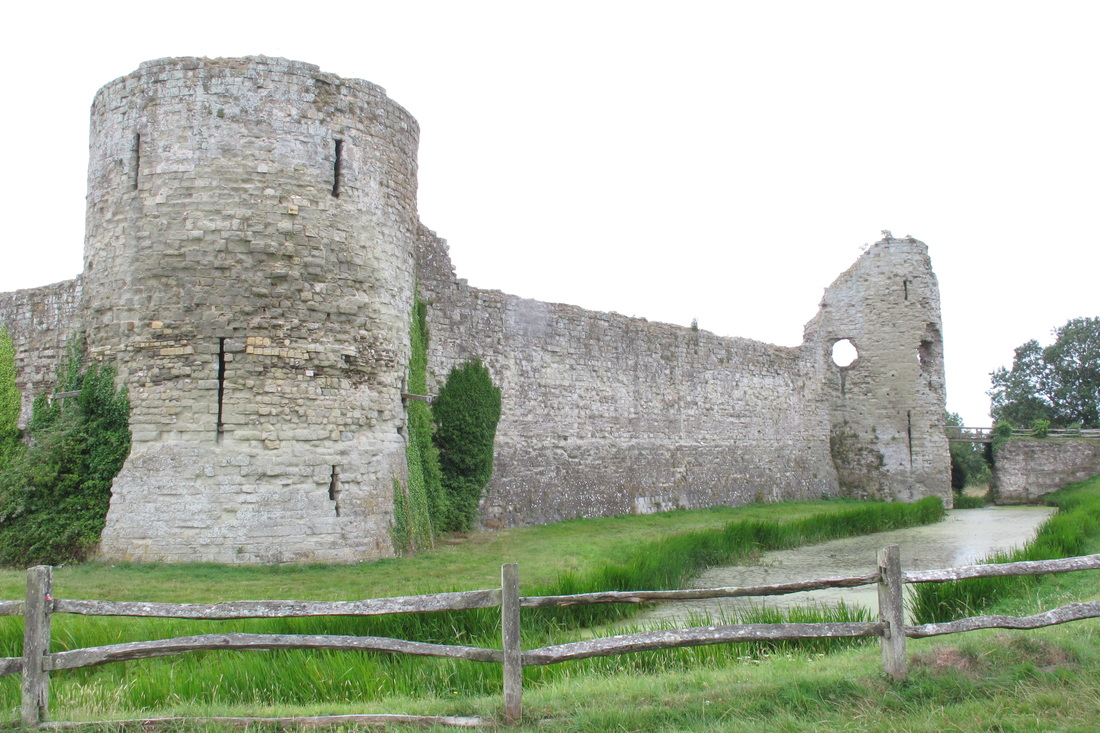
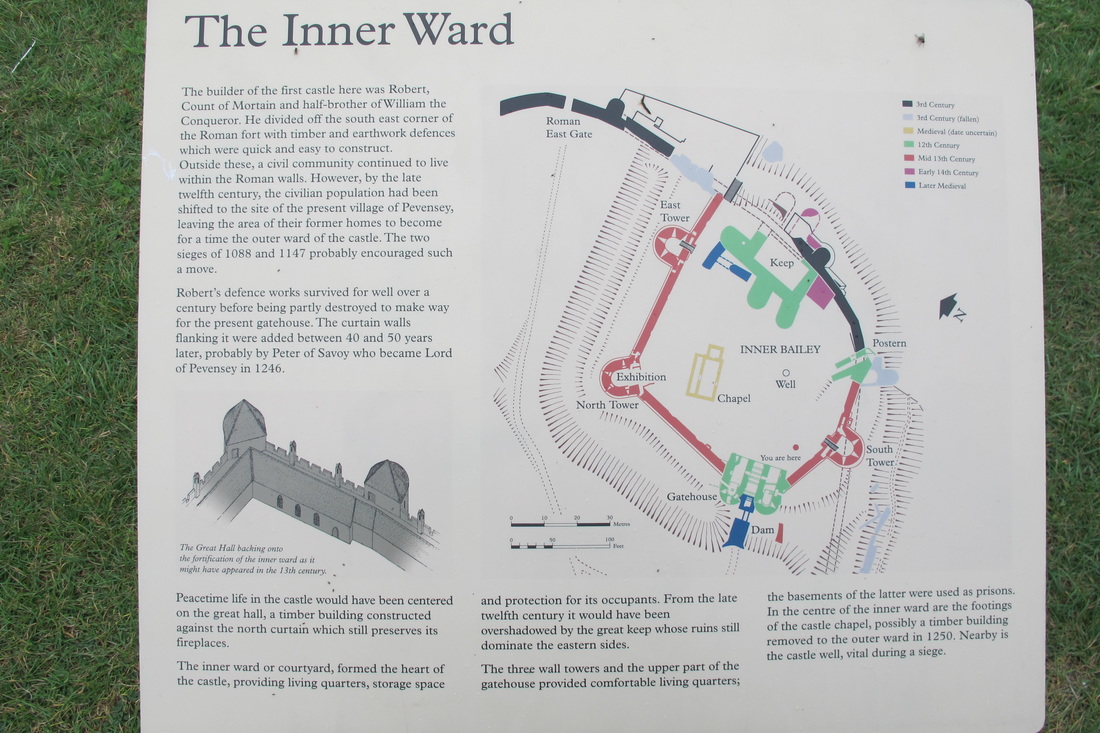
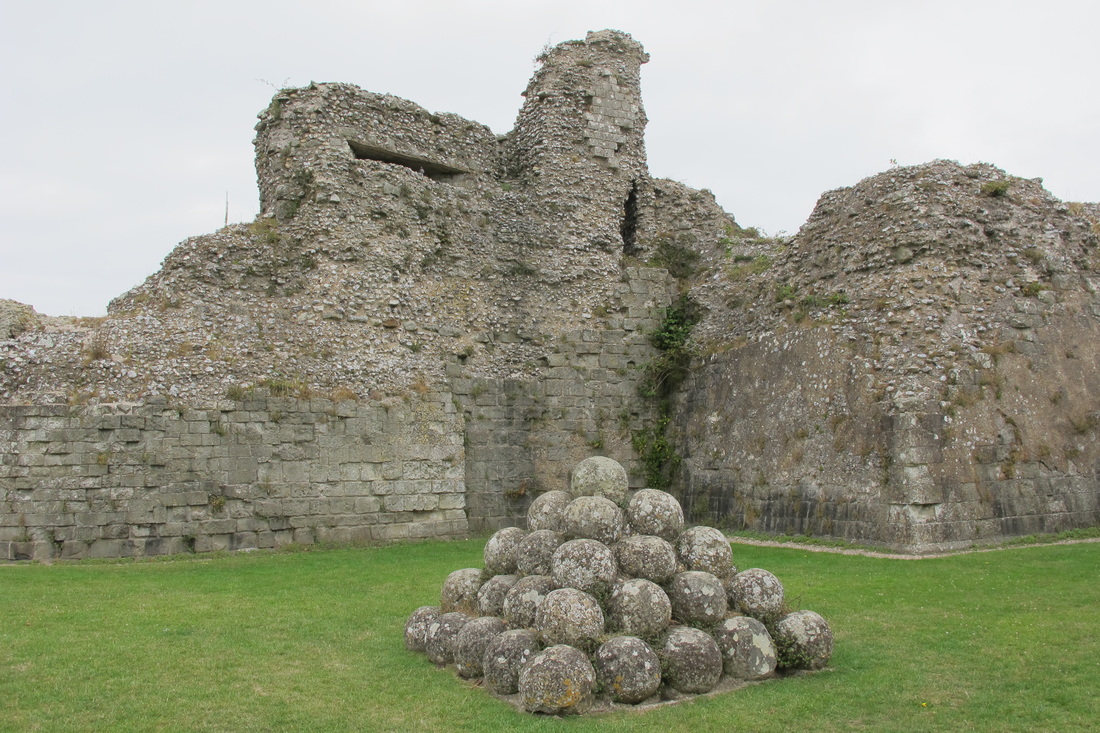
So to my last border themed adventure! This one is focused on protecting of our geographical borders from invasion through the ages. Being based in what is known as '1066 country' I am surrounded by reminders of the Norman invasion.

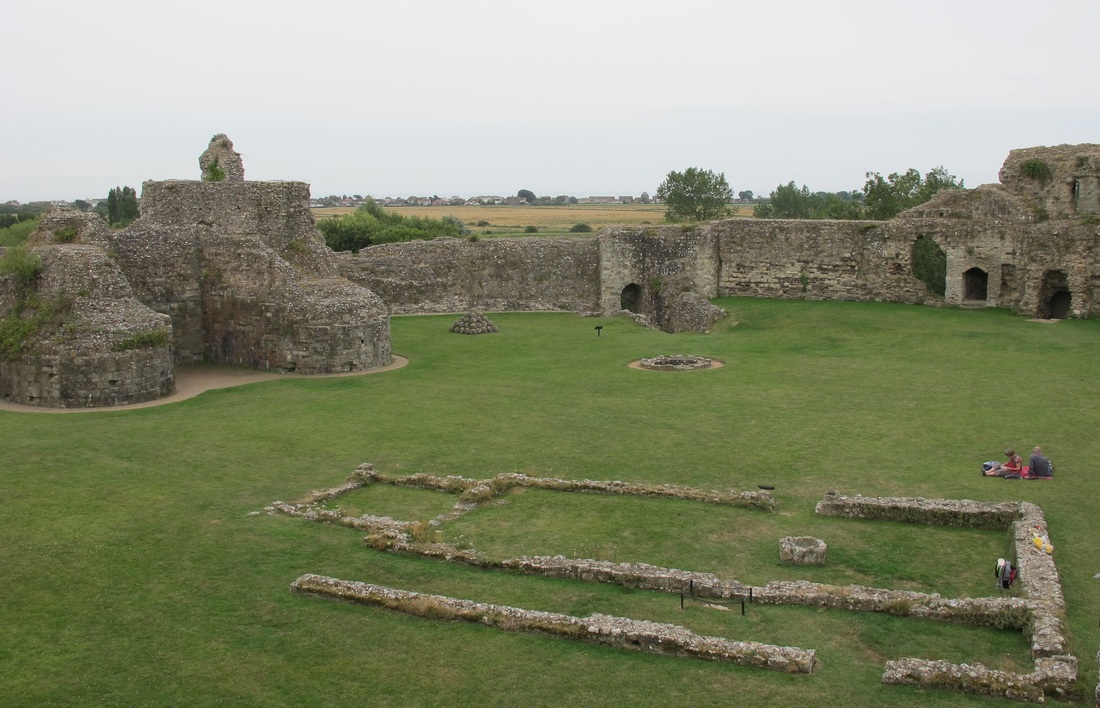
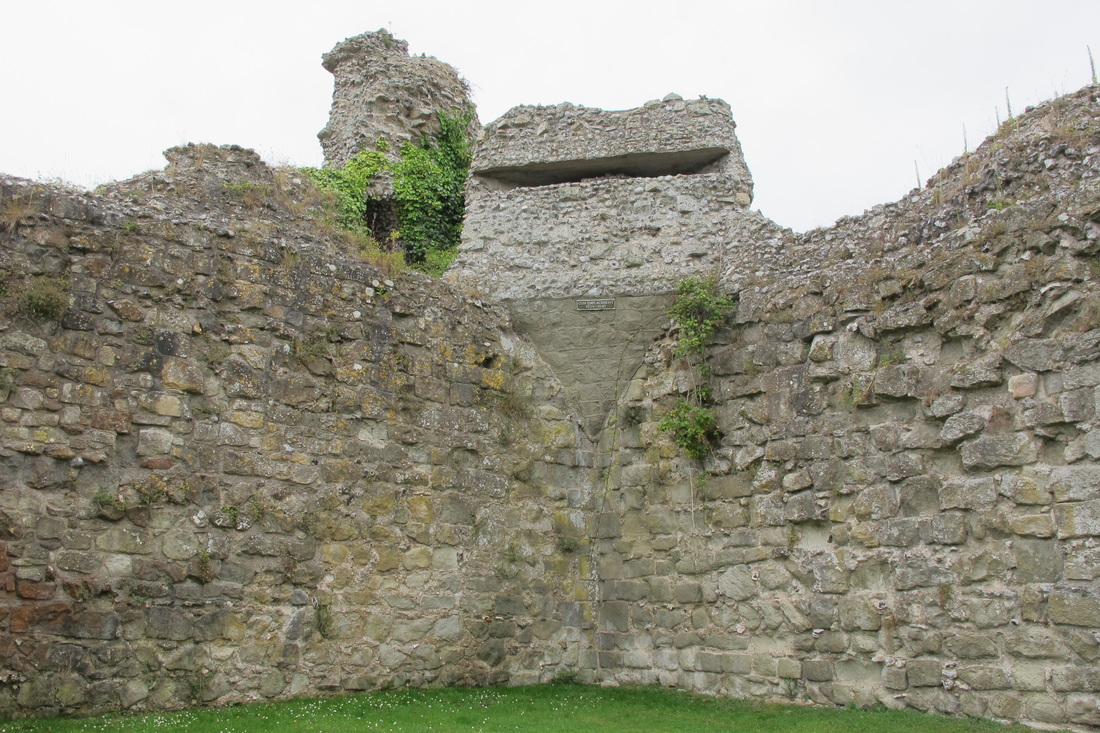
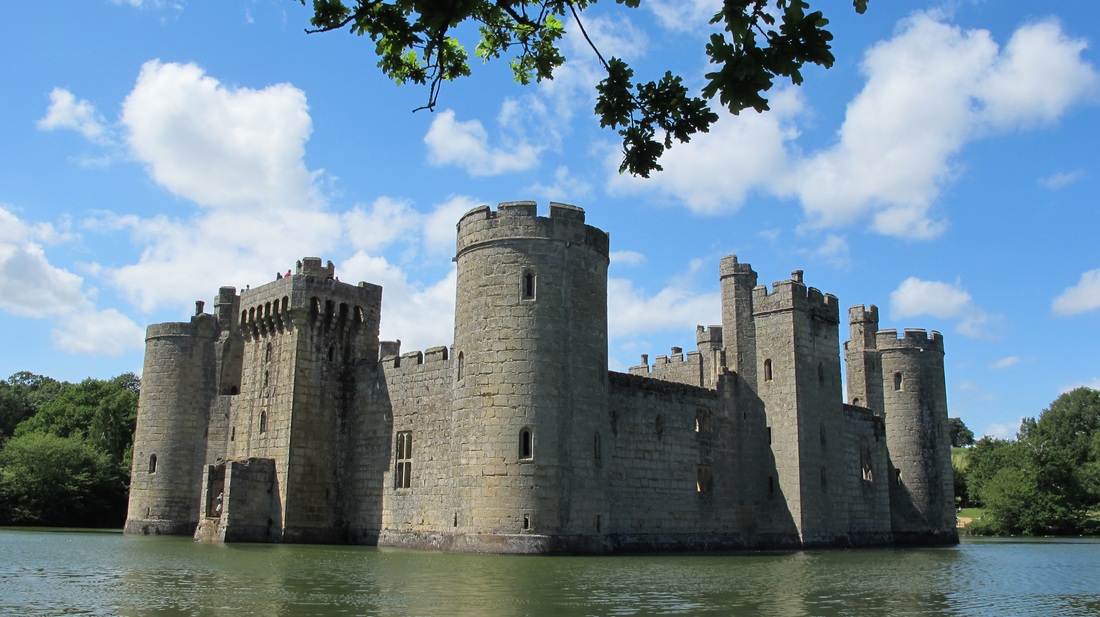
On a dreary Tuesday I set off to beat the predicted downpours to visit Pevensey Castle. The original structure was a Roman Saxon shore fort built around 290AD most likely to protect the coastal area. Once the Romans had left it was reoccupied by the Normans in 1066. It was abandoned again at the end of the 16th century until the ruin was acquired by the state in 1925.  During the Second World war the castle was occupied again and the addition of machine gun posts to guard against German invasion can still be seen today. These days it is in the care of English Heritage.
Picture
Picture
0 Comments
<<Previous
    Picture


    ​Enjoys travel, reading, photography, microadventure and music


    Archives

    May 2017
    May 2016
    January 2016
    December 2015
    November 2015
    September 2015
    July 2015
    May 2015
    February 2015
    January 2015

    Interests
    Microadventure

    All

    RSS Feed

Powered by Create your own unique website with customizable templates.